
OEM vs ODM Dancewear: Who Develops the Leotard, and Who Decides?
The practical difference in OEM vs ODM dancewear is where the design starts and who is expected to develop it. An OEM project usually begins with the buyer’s design or specification; an ODM project draws more heavily on the manufacturer’s design resources or existing styles. The terms are useful shorthand, but the actual division of work needs to be agreed.
Private label answers another question: whose brand appears on the garment? It does not, by itself, tell you who created the pattern, whether the design is exclusive, or how much development is included. Before choosing a route, look at what your team already has and what it still needs help producing.
OEM, ODM and Private Label Describe Different Parts of the Project
OEM stands for original equipment manufacturer. In garment sourcing, buyers commonly use it for manufacturing based on a design or specification they provide. ODM stands for original design manufacturer and commonly indicates a larger design or development contribution from the supplier.
Factories do not all use these labels in exactly the same way. One supplier may call an adaptation of a catalog style ODM; another may use the term for a new design developed from a buyer’s brief. Ask what work is included instead of treating the acronym as a complete description.
| Project approach | Typical starting point | Buyer’s main task | What must still be agreed |
|---|---|---|---|
| Buyer-led OEM development | A buyer’s design, specification, or controlled reference | Explain the intended product and approve execution | Pattern work, material selection, grading, and unresolved technical decisions |
| Supplier-led ODM development | A manufacturer’s design resources or a selected existing style | Define the user need and assess proposed solutions | Scope of changes, deliverables, and access to the resulting files |
| Private-label branding | A garment to be supplied under the buyer’s brand | Provide brand and label requirements | Which product changes accompany branding, if any |
A project can combine these descriptions. A supplier-developed leotard may carry the buyer’s label, while a buyer-designed leotard may also need the manufacturer’s help with pattern engineering. Neither combination is unusual; ambiguity about the work is the problem to avoid.
When You Already Have a Design, Explain How Complete It Is
A drawing, a tech pack, and an approved pattern are different starting points. If your team has a finished design but no production pattern, say so. If the pattern exists but the material is undecided, that is another development task to resolve.
An OEM inquiry is strongest when it makes those boundaries clear. Identify the features that must be retained, the measurements or fit references already approved, and the areas where a manufacturing recommendation is welcome. The manufacturer should not have to guess whether a detail is intentional or provisional.
The dancewear tech pack guide explains how to record those instructions. A complete-looking document still needs a review for feasibility and consistency. Having supplied a specification does not remove the need to check the resulting sample.
This route is particularly useful when the brand’s distinction depends on a defined fit, panel arrangement, or other design decision it wants to control. It is less useful to insist on buyer-led execution if the team has not yet decided what the product should be.
An Existing Style Gives the Discussion Something Concrete
If your team is still developing its product direction, an existing style can provide a practical starting point. You can assess its shape, construction, and suitability before deciding what needs to change. The important question is whether the base garment is close to the intended result.
For example, Jinwu’s Marble Print Ballet Leotard combines a high neckline, sheer upper panel, and sleeveless shape. A buyer might use it to discuss a print direction while retaining the silhouette. A request to alter the neckline, back, sleeves, and fit would describe a much broader development project.
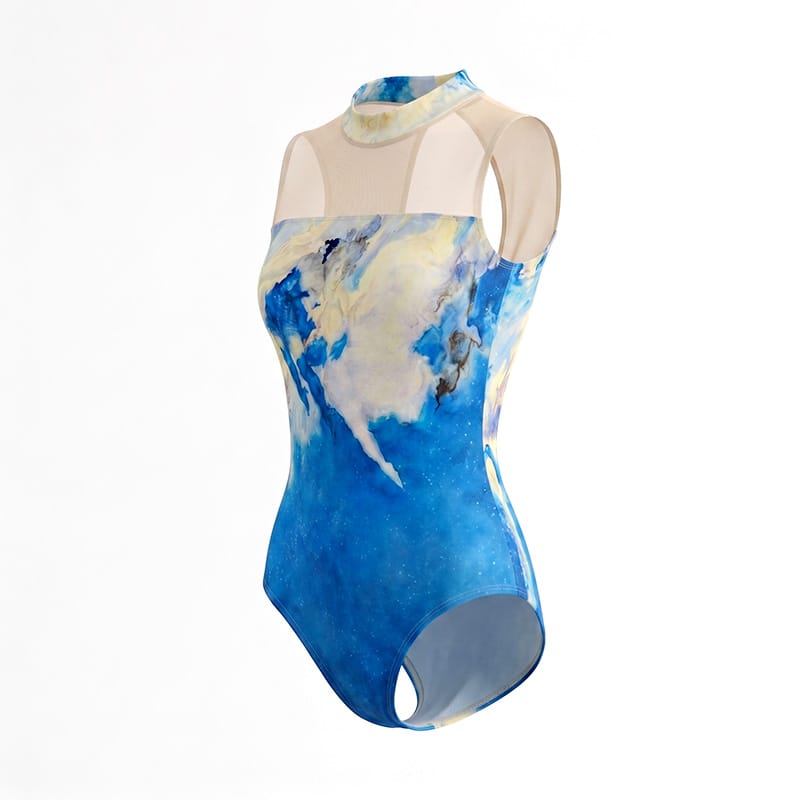
That example is a way to frame an inquiry, not confirmation that a particular alteration is available. Ask the supplier which elements can be changed and what needs to be resampled. Catalog availability establishes a starting product; it does not establish the finished custom specification.
An existing style also does not mean an exclusive style. If exclusivity matters, raise that as a separate requirement and clarify its scope before treating the design as unique to the brand.
A Small Visual Change Can Have a Larger Technical Effect
Changing a logo position and changing a back opening are not the same kind of work. The first may concern artwork and application. The second may alter panel shapes, edge finishes, lining, and fit. A list of requested changes is more informative than calling the project “light customization.”
Material changes deserve the same care. Substituting a fabric with a similar fiber description does not establish identical behavior in the existing pattern. The proposed combination still needs to be assessed. A reference that fits well in one material is not a blanket approval for every replacement.
Keep the development conversation tied to the reason for each change. If the buyer wants more coverage at the back, explain that need before specifying a particular solution. The manufacturer may be able to propose an approach that preserves more of the existing construction.
Once the changes are understood, revise the scope of work. A project that began with a catalog style can become substantially buyer-led as requirements develop. The original acronym should not prevent the two parties from acknowledging what the project now involves.
Assign the Decisions That Would Otherwise Fall Between Two Teams
For each unresolved area, identify who proposes the solution and who approves it. Typical areas include material selection, pattern development, size grading, print preparation, label artwork, and care information. The manufacturer and buyer may contribute to the same task in different ways.
A useful division might have the supplier recommend available materials while the buyer approves the intended appearance and sample fit. Another project may begin with a buyer-specified material that the supplier assesses for the proposed construction. Neither arrangement is automatically better; it should match the expertise and information available.
Do not leave fit approval implicit. Someone needs to compare the sample with the intended wearer and use. A visually accurate garment can still need adjustment, and an attractive photograph does not substitute for that decision.
Jinwu’s OEM and ODM service information identifies support areas including design development, fabric customization, labels, packaging, and samples. Discuss which of those apply to the specific project and what each deliverable will contain.
Pattern Files, Design Rights and Exclusivity Need Their Own Discussion
Do not infer ownership or access from the letters OEM or ODM. Ask who supplies the original files, who creates revised files, which deliverables the buyer receives, and what use each party may make of them. Put the agreed position in the project documentation.
File access and legal protection are related questions, but they are not identical. The World Intellectual Property Organization’s guidance on industrial designs explains that design protection concerns a product’s ornamental or aesthetic aspects and that protection requirements vary between countries. An ordinary manufacturing label is not a substitute for considering those rights.
If exclusivity is part of the brief, define what it covers: a specific design, artwork, material combination, or another clearly identified feature. Resolve the scope with appropriate professional advice where necessary. A general promise of “custom” is too vague to settle these issues.
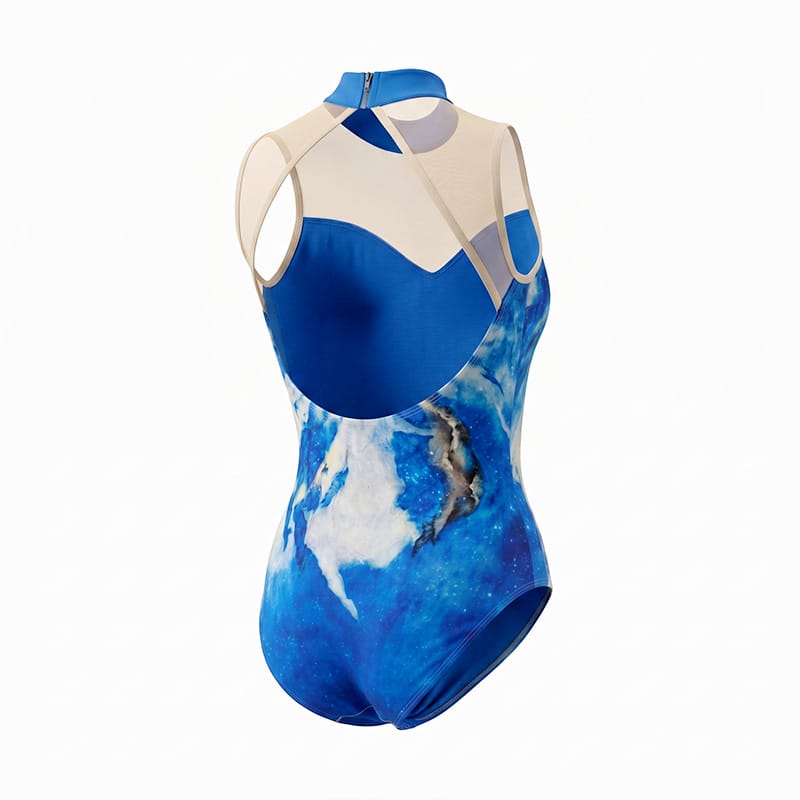
For reference images, make clear whether they show your own controlled design, a supplier’s available product, or an inspiration feature to discuss. The brief should not treat another party’s photograph as permission to reproduce its design or artwork.
The Sample Still Has to Answer the Buyer’s Questions
Whichever route is chosen, decide what the next sample is meant to establish. An early development sample may answer shape and construction questions while leaving final color unresolved. A later version may need the intended materials and decoration. Label those stages clearly.
Review the sample against the agreed brief rather than against a changing mental picture. If the buyer introduces a new preference, record it as a design change. If the sample differs from an existing instruction, record the difference. Mixing the two makes it difficult to understand what should happen next.
Give feedback in terms of observed behavior and defined features. “The upper opening needs more coverage” is more useful than “make it more professional.” Where possible, connect the feedback to the drawing or measurement point that needs review.
A supplier-led design does not remove the buyer’s responsibility to approve suitability. A buyer-led design does not remove the manufacturer’s role in identifying construction questions. Sampling is where those contributions meet.
Choose the Route Your Team Can Actually Manage
Start with a buyer-led route when the design and fit direction are already clear and your team wants to control those decisions. Start with a supplier-led proposal when the user need is clear but the garment solution still needs development. Consider an existing style when it already serves the intended wearer with limited changes.
A mixed collection can use more than one approach. One style may begin from an established supplier design while another needs a new pattern and a detailed buyer specification. Decide at the style level instead of forcing the whole collection into one acronym.
For an initial inquiry, describe what exists today: sketches, a tech pack, a reference style, a pattern, or only a written brief. Then state the help required. Ask Jinwu to review the development scope and confirm the proposed responsibilities before treating a manufacturing route as settled.
Conclusion
The useful OEM vs ODM dancewear decision is about design readiness and responsibility. Identify the starting point, define the changes, agree who develops and approves each part, and discuss rights separately. The clearest project brief matters more than the label attached to it.
FAQ
Does private label mean the manufacturer designed the garment?
No. Private label describes branding. The underlying garment may follow the buyer’s design, a supplier design, or a combination of development inputs.
Can I customize an existing ballet leotard?
You can ask the supplier to review the requested changes. State which features should stay and which should change, then confirm feasibility and the sample needed.
Who owns the pattern for a custom leotard?
That cannot be determined from the manufacturing acronym alone. Clarify the source of the pattern, the agreed deliverables, ownership and permitted use in the project terms.
Is ODM suitable for a brand with its own design team?
It can be useful if the team wants to adapt an appropriate supplier design or use particular development resources. The decision depends on the style and the work needed, not simply whether designers are employed.
Can an ODM project later become an OEM reorder?
The parties may use those terms as the work changes, but the practical requirement is a stable approved specification and clear responsibilities. Confirm the current documents and any changes before a reorder.