Ballet Warm Up Boots: Fit, Soles and Everyday Studio Use
Ballet warm up boots make the most sense for dancers who spend time waiting before class, between rehearsals or backstage. Choose them around what will be worn inside, how securely they stay on and where they will be used. A padded appearance alone does not tell you whether a pair fits over dance shoes or suits the studio’s floor rules.
For a school or retailer, the purchase is easier to manage when the product has a clearly defined role. Are the boots an optional accessory for regular students, part of a rehearsal kit or a style intended for dancers who already wear pointe shoes? That answer should guide the sample request and the information given to customers.
Decide When the Boots Will Be Used
Begin with the gap in the dancer’s routine. A student who arrives just before a single class may have little waiting time. Another dancer may move between rehearsal rooms or spend longer backstage. The second routine creates a clearer reason to consider an additional layer around the feet.
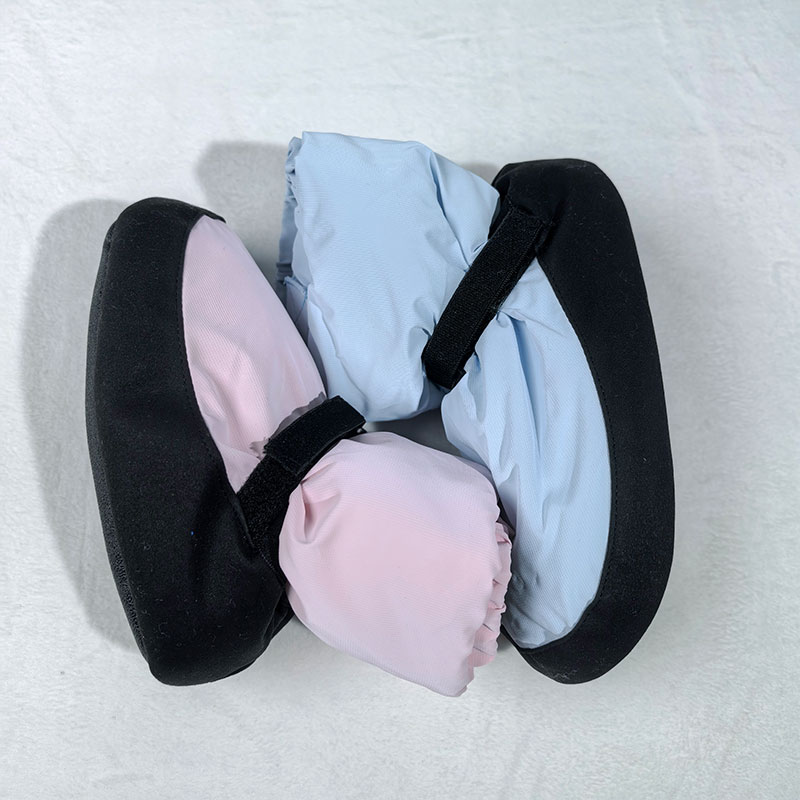
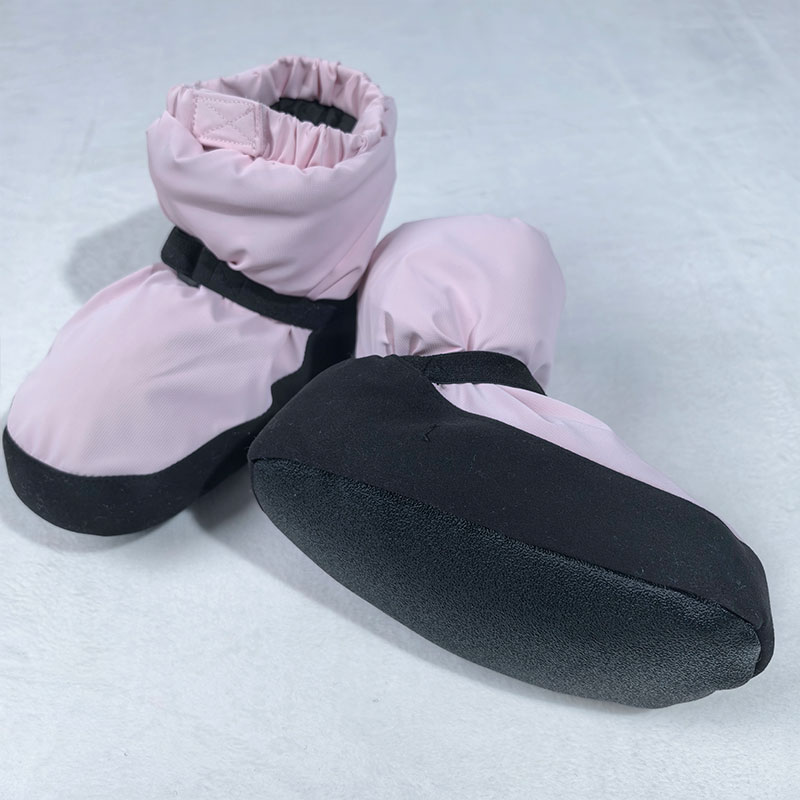
Jinwu’s Ballet Warm Up Boots are presented for studio, rehearsal and backstage use. The product has a gathered top opening, an adjustable strap and a contrasting lower section. Those features are worth reviewing in a sample; they do not establish that the boots are suitable for every exercise or surface.
Keep class footwear requirements separate from the accessory choice. For example, English National Ballet’s adult class guidance requires ballet shoes for its ballet classes and gives different footwear rules for BalletFit. That is a specific programme’s policy, but it illustrates why the teacher’s requirements come first.
Do not describe a pair of boots as a replacement for the dancer’s warm-up or prescribed class shoes. Agree when they are worn and removed with the teacher or rehearsal organiser. A useful accessory should fit into that routine without creating uncertainty at the start of class.
Fit the Boots Around What Will Be Worn Inside
The same foot takes up a different amount of space in tights, soft ballet shoes or pointe shoes. Decide which combination the boot needs to accommodate before choosing a size. A fitting carried out without the intended shoes answers only part of the question.
The Jinwu listing describes an opening intended to accommodate dance shoes. For an actual order, confirm compatibility with the particular shoe and boot size. Do not convert that general description into a promise that every pointe shoe box or soft-shoe shape will fit comfortably.
During a seated fitting, check that the foot can enter without forcing the shoe against the opening. Once the boot is on, look for crowding at the toe and excessive empty space elsewhere. Ask the wearer whether the shoe underneath has shifted or whether the strap creates unwanted pressure.
If the boots will be used with more than one combination, review each one. A pair that feels secure over pointe shoes may behave differently with only tights inside. Record the successful combination so the fitting advice does not become an unexplained instruction to buy a larger size.
Do Not Treat Letter Sizes as Shoe-Size Conversions
A label such as small or medium identifies a place in the supplier’s range. It does not tell you the internal length, usable width or room above a dance shoe. Ask how the chart was prepared and whether its numbers describe the wearer’s foot, a recommended shoe size or the boot itself.
This distinction matters particularly for padded footwear. An external measurement includes materials that do not become usable space inside. Comparing the outside sole length with a bare foot measurement can therefore give a misleading impression of room.
Jinwu’s specification lists a children’s XXS–XL range, while other wording on the page also mentions adult dancers. Confirm the applicable range and measurements for the current product before placing an adult or mixed-age order. There is no verified universal conversion in this guide.
For group purchasing, keep the supplier’s size label alongside the fitting result and the shoe worn underneath. If two suppliers use the same letter labels, compare their measurement definitions and samples rather than assuming the labels describe equivalent products.
Check Whether the Opening and Strap Work Together
A wide opening helps with putting the boot on, but the boot still needs to sit securely once it is fastened. Look at both parts of that sequence. Can the wearer open it far enough, position the foot comfortably and secure the strap without assistance beyond what is realistic for that age group?
With the sample in hand, check that the strap reaches its fastening area without being pulled to an extreme. Note whether it leaves a loose end or distorts the upper when tightened. Adjustment should help accommodate the intended fit; it should not be used to disguise a boot that is much too large.
Ask the dancer to remove the boots as they would before class. The process should not require pulling hard on delicate ballet-shoe elastics or ribbons. If the footwear underneath shifts every time, that is useful feedback for the sample discussion.
For younger students, make the review practical. The relevant question is whether the child and supervising adult can manage the boots within the school’s routine. A fastening that works well for one wearer may need a different explanation or fit choice for another.
The Sole Description Does Not Answer Every Surface Question
The Jinwu product specification identifies a polyurethane (PU) leather sole and an upper combining 240T polyester spun fabric with 420D Oxford cloth. These are material descriptions. They do not, by themselves, establish a slip-resistance rating, waterproof performance or suitability for outdoor walking.
Inspect the actual underside, the connection between the sole and upper, and the way the boot sits when worn. Look for uneven attachment, obvious damage or a shape that makes the wearer feel unstable during an ordinary fitting. Report what you observe without turning a brief try-on into a formal performance test.
Confirm the intended surfaces with the supplier and the venue. A product described for studio or backstage use should not automatically be advertised as a winter commuting boot. If outdoor use is important, ask for specific confirmation rather than inferring it from a dark sole or padded upper.
Keep outdoor dirt away from studio floors in accordance with the venue’s policy. For a school, a simple instruction about where the boots may be worn can be more useful than a broad claim that the sole is suitable everywhere.
Review the Sample as a Complete Pair
Set up the review around ordinary use rather than a styled photograph. Use the intended shoe combination, follow the venue’s rules and stop if the wearer cannot manage the boots comfortably. There is no need to perform dance steps merely to complete an accessory fitting.
| Check | What to record | When to revisit the choice |
|---|---|---|
| Entry and removal | How the boot passes over the intended shoe | The wearer has to force it or repeatedly displaces the shoe |
| Internal room | Toe, width and upper-space observations | There is crowding or excessive loose space |
| Fastening | Strap position and usable adjustment | The strap reaches only at an extreme or leaves the boot insecure |
| Pair consistency | Matching size labels, shape and attachment details | The two boots appear materially different |
| Routine | Where boots are worn, removed and stored | The proposed use conflicts with venue instructions |
Separate fit feedback from manufacturing observations. “The toe area is crowded over this shoe” calls for reviewing the combination or size. “The strap attachment differs between the pair” calls for a construction check. Clear descriptions help the supplier respond to the right issue.
If a sample changes, retain the earlier notes and identify the new version. For school ordering, one convenient demonstration size cannot establish fit across every student. Choose the sample range around the sizes and shoe combinations the order actually needs.
Plan Cleaning and Storage Before Issuing the Boots
The current Jinwu product page specifies gentle hand washing with mild detergent, no machine washing, complete air drying by hanging or laying flat, and no high-heat dryer, ironing or bleach. Confirm the instructions supplied with the delivered pair, especially if the material or construction has been customised.
Remove any dance shoes before cleaning the boots. Their own care requirements remain separate. Do not assume a routine suitable for the outer boot is suitable for a pointe shoe or slipper placed inside it.
Make drying space part of the plan for regular use. A school should be able to explain where the boots go after cleaning and how pairs stay together once dry. Store them without leaving other footwear trapped inside, so each item can be checked and cared for separately.
For travel between home and the studio, check the space the pair occupies in the actual bag. Our ballet dance bag selection guide covers compartment and packing decisions. Use that check to keep soles away from clean clothing without claiming that a bag compartment makes damp footwear ready for storage.
Build the Order Around Use, Sizes and Clear Instructions
Choose the size allocation before expanding the colour range. For a school, an attractive colour assortment is of little use if the required shoe combinations have not been fitted. For a retailer, product photographs should be accompanied by a clear explanation of what the boot is intended to fit over.
Keep the listing specific: name the construction, describe the fastening, give the confirmed size guidance and state the care instructions. Avoid unsupported statements about injury prevention, guaranteed grip or suitability for every dancer. Those claims go beyond what a product photograph or brief sample review can establish.
At delivery, check pairs against the approved reference and confirm that the labels match the order. Retain the sample notes for future replenishment, including the shoe combinations used during fitting. If the construction changes later, revisit the advice rather than carrying it forward automatically.
For a Jinwu enquiry, send the intended age group, shoe combinations and size allocation. Describe whether the boots are for studio waiting, rehearsal breaks or backstage use, and ask for the corresponding size information and sample options. That gives the supplier a concrete question to answer.
Conclusion
The right ballet warm up boots fit the dancer’s routine as well as the foot. Check the footwear worn inside, the opening, adjustment and sole, then confirm the size range and care instructions. For a group order, useful fitting records and a clear usage policy matter more than a long list of unverified benefits.
FAQ
Should ballet warm up boots be bought a size larger than street shoes?
There is no universal rule. Use the supplier’s chart and try the boots with the footwear that will be worn inside. A size increase that works in one range may create an insecure fit in another.
Can these boots go over pointe shoes?
The Jinwu listing describes that intended use, but compatibility still needs checking with the particular shoe and boot size. Confirm room around the shoe box and ease of removal rather than relying only on the general description.
Are warm-up boots required for a first ballet class?
Check the school’s kit list. Warm-up boots are an accessory, and the required class footwear takes priority. Their usefulness depends on the dancer’s routine and the venue’s rules.
Can I put dance shoes inside the boots while storing them?
It is more practical to check and store the items separately after use, following their individual care requirements. Putting one inside the other can make it harder to notice moisture or damage before the next class.
Does a PU leather sole mean the boots are suitable outdoors?
No. The material name alone does not establish outdoor suitability, grip or weather performance. Ask the supplier to confirm the intended use and follow the studio’s rules about footwear brought in from outside.