
لون يوتار الباليه المعنى: المستويات المدرسية والامتحانات والاختيار الشخصي
معنى لون يوتار الباليه يعتمد على المدرسة أو الفصل أو الحدث. قد يحدد اللون مستوى تدريب داخل مدرسة واحدة ، أو يشكل جزءًا من زي الأداء أو يعكس ببساطة تفضيلات الراقصة. لا يوجد مخطط ألوان يخبرك بمستوى كل راقص باليه أينما تدربوا.
بالنسبة للآباء ، هذا يعني التحقق من تعليمات الفصل الحالية قبل الشراء. بالنسبة للمدارس وتجار التجزئة ، فهذا يعني بالضبط مكان الموافقة على الزي الرسمي بدلاً من تقديم اتفاقية محلية كقاعدة باليه عالمية.
معنى لون يوتار الباليه يبدأ بالإعداد
لا يثبت الثوب الوردي في حد ذاته أن الراقص مبتدئ. لا يثبت ثوب الباليه الأسود أن الراقصة متقدمة. المعلومات ذات الصلة هي سياسة البرنامج الذي يتم ارتداء الثوب فيه.
فكر في اللون كتسمية ينتمي تعريفها إلى إعداد معين. داخل المدرسة ، قد يجعل التعرف على مجموعة الفصل أمرًا سهلاً. في الحفل ، قد تنتمي إلى شخصية أو فرقة. في الفصل المفتوح ، قد لا يكون له معنى معين على الإطلاق.
| تجهيز الطعام | ما قد يشير اللون | ما لا يثبت | أين تتحقق |
|---|---|---|---|
| فصل المدرسة مع الزي المحدد | مستوى أو مجموعة أو برنامج محدد | نفس المستوى في مدرسة أخرى | قواعد اللباس المدرسي الحالية ووضع الفصل الدراسي |
| فحص طبي عام | عرض تقديمي موصى به أو الزي المختار من المدرسة | رصيد التقييم لمجرد ارتداء هذا اللون | إرشادات الامتحانات الحالية وتعليمات المعلم |
| فئة الكبار المفتوحة | الاختيار الشخصي حيث يسمح البرنامج بذلك | علامة موثوقة للتجربة | متطلبات الملابس الخاصة بالفئة |
| الحفل أو الإنتاج | قرار زي لدور أو مجموعة | إذن لارتداء نفس الزي في الفصل الأسبوعي | موجز زي من فريق الإنتاج |
التمييز مهم عندما يحضر العميل صورة. يمكن لبائع التجزئة تحديد الملابس المرئية ، لكن الصورة وحدها لا تستطيع تأكيد سياسة المدرسة التي تلبيها. اطلب الشرط المكتوب قبل وصف البديل بأنه مناسب.
لماذا تختلف ألوان المستوى بين المدارس
يمكن للمدارس تخصيص ألوانها الخاصة للفصول. كمثال محدد،, قواعد اللباس لمدرسة الباليه الكلاسيكية لمدرسة بوسطن باليه ارتفعت قوائم الابتدائي 1، واللون الالوانى للابتدائي 2 و الأحمر للابتدائي 3. هذه الواجبات تصف هذا البرنامج، وهي ليست تسلسلاً دولياً لدرجات الباليه.
لذلك يجب على الطالب الذي ينتقل إلى المدارس تأكيد الزي الجديد بعد التنسيب. مطابقة الرقم في اسم الفئة السابقة لا يكفي. قد تنظم البرامج المختلفة الفئات العمرية والمستويات وأسماء الدورات التدريبية بشكل مختلف ، وينتمي الزي الرسمي إلى تعليمات البرنامج الجديد.
نفس التحذير ينطبق داخل المدرسة. قد يقدم إشعار الترويج لونًا جديدًا ، أو يحتفظ بنفس اللون بأسلوب ملابس مختلف أو يوفر ترتيبًا انتقاليًا. يجب على المدرسة أن تجعل ذلك صريحًا بدلاً من توقع أن تستنتج العائلات مما يرتديه الطلاب الأكبر سنًا.
بالنسبة للمشترين الذين يتعاملون مع الزي المدرسي باليه ، احتفظ باسم الفصل بجانب مرجع المنتج المعتمد. قائمة بعنوان “الوردي والأزرق والأسود” فقط تفقد العلاقة بين الثوب والطلاب الذين تم اختيارهم من أجلهم.
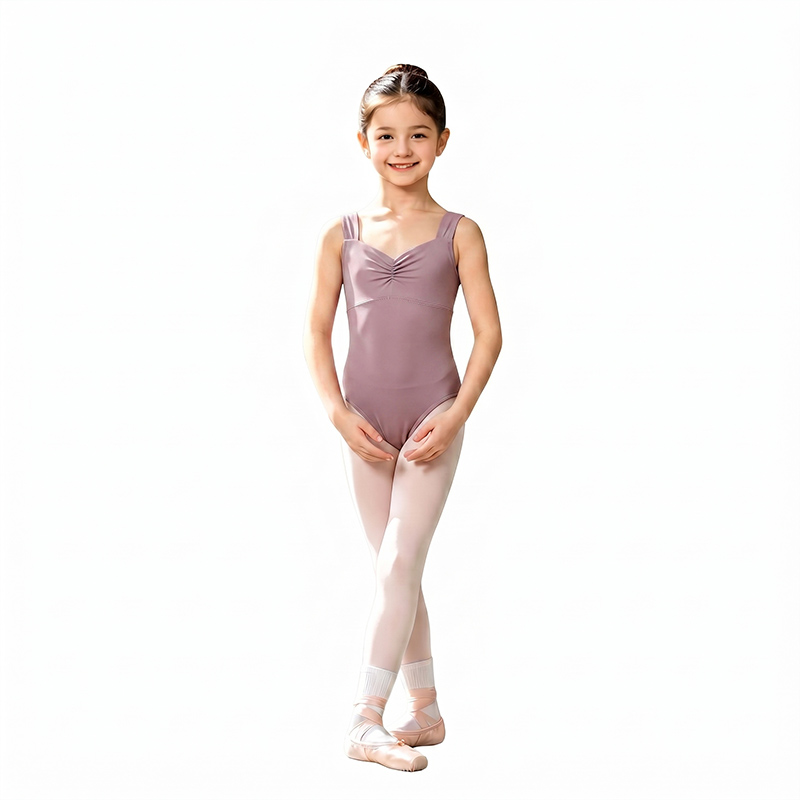
الزي الرسمي للفصل وإرشادات الامتحان هي تعليمات مختلفة
قد يحدد قواعد اللباس اليومي للمدرسة نمطًا ولونًا معينين حتى عندما تقدم منظمة الامتحان إرشادات أوسع. اقرأ كلا الوثيقتين لغرضهما الخاص. لا تحول تفضيل الشراء المدرسي إلى ادعاء بأن هيئة الفحص تتطلب ذلك الثوب بالضبط.
لامه إرشادات الامتحانات الحالية للأكاديمية الملكية للرقص يقول إن زيه موصى به وليس مطلوبًا وليس جزءًا من تقييم الامتحان. كما أنه يؤكد الراحة والدعم المناسب والصورة الظلية الواضحة. هذا هو منصب الامتحان المنشور للأكاديمية ، وليس الإذن بتجاهل سياسة الفصل المنفصلة للمدرسة.
إذا بدت التعليمات غير متسقة ، فاسأل المعلم عن الشرط الذي ينطبق على المناسبة. السؤال المفيد محدد: “هل هذا هو الزي الرسمي للدروس الأسبوعية أم عرض الامتحان أم كليهما؟” من الأسهل بكثير حل ذلك قبل تقديم طلب جماعي.
يجب أن يكون بائع التجزئة دقيقًا بنفس القدر. يمكن أن يشبه الثوب أسلوب الفحص الذي يتم ارتداؤه بشكل شائع دون أن يكون منتجًا معتمدًا أو معتمدًا رسميًا. تجنب الشهادات أو لغة المصادقة ما لم يكن هناك إذن فعلي يدعمها.
قد تسمح فصول الكبار بمزيد من الخيارات
لا تطبق مخطط ألوان الأطفال على مستوى مبتدئ للبالغين تلقائيًا. تسمح بعض برامج الكبار باختيار واسع للملابس. لدى البعض الآخر متطلبات أكثر تحديدًا ، خاصة للدورة أو ورشة العمل أو الأداء. تحقق من البرنامج الفعلي.
مثلا،, Boston Ballet School’s Adult Dance Program requires ballet slippers but allows clothing chosen for comfort and ease of movement, with guidance on fit and stretch. That illustrates why a school’s classical-program uniform and adult-class clothing policy should not be treated as interchangeable.
Where a leotard color is optional, the dancer can choose a preferred shade while concentrating on fit, coverage and freedom of movement. There is no need to select a color that is supposed to announce “beginner” or to avoid one thought to belong to advanced dancers.
For someone new to class, a simple product explanation is more helpful than a color hierarchy. Show the neckline, straps, back and available sizing. Keep any special audition requirements separate; the audition clothing guidance should be consulted only for that specific setting.
Read the whole dress code, not just the color line
The correct color can still be the wrong garment. A dress code may also specify sleeve length, neckline, skirt permission or a particular product reference. Check those details together before ordering a ballet class leotard.
Pay attention to whether a skirt is required, optional or excluded. A matching skirt in a product photograph does not prove it belongs in the uniform. Similarly, contrast panels or decorative mesh may need approval even when the main fabric matches the requested color family.
Tights and footwear can have their own color instructions. Do not assume they must share the leotard’s color, and do not invent a requirement based on a styled photograph. Record each component separately so the customer can see which choices are fixed and which remain optional.
When a description is vague, ask one concrete question at a time. Does “navy” mean a named approved shade? Are alternative styles allowed? Can an existing garment be worn during a transition? The response should come from the school rather than from a general article about ballet traditions.
Build a school color system that families can actually follow
If the school is choosing its own palette, decide what the colors are meant to communicate. They might distinguish teaching groups, identify a program or create one consistent uniform across several levels. None of those aims requires copying another school’s sequence.
Keep the written class name alongside every color swatch. Families should not have to distinguish two similar shades from a small phone-screen image to work out which garment to buy. Add a product reference and a current photograph, then provide a contact for unresolved questions.
Define the policy for progression before announcing the palette. State when the new uniform takes effect, whether existing garments remain acceptable for a period and which parts change. These are school decisions; suppliers should not be left to infer them from an order containing several colors.
For multiple approved styles, check that the wording covers the real options. A school may approve different cuts in one shade to suit its students, but that permission should be explicit. Avoid presenting a single photographed body or garment as the only possible interpretation when the policy allows alternatives.
Retail listings should name the policy they support
Use specific, current descriptions when selling an approved school uniform. Identify the school, program, applicable class and approved style where you are authorized to do so. Keep general color products separate from products confirmed for a named uniform.
For an ordinary pink, navy or yellow leotard, describe the garment and its available options. Do not label a shade “Grade 1” or “advanced level” without the relevant school context. Such wording invites customers from other programs to apply the wrong rule.
Review the listing when the school updates its policy. A product can remain physically unchanged while its approved use changes. Keep a dated record of the instructions behind the listing so staff can answer questions consistently.
When a replacement style is proposed, send its details to the school for review. Similar color, fabric or appearance does not make a substitution automatically approved. The approval needs to cover the actual garment that families will receive.
Turn the policy into a supplier brief
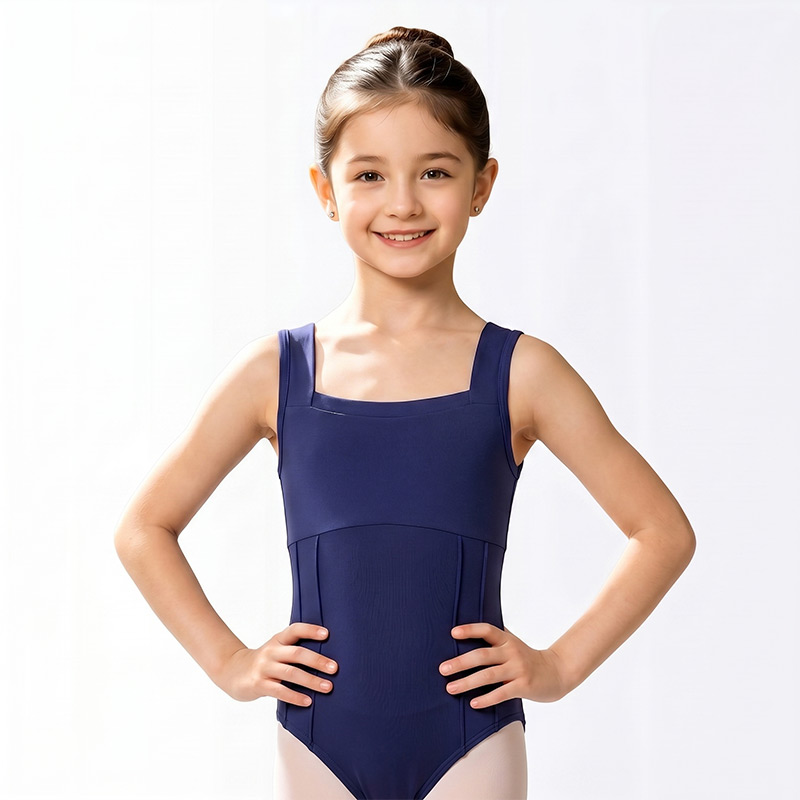
A supplier needs a garment specification, not just the meaning a school assigns to a color. Send the approved style, physical shade reference, size requirements and any restrictions on skirts or decoration. Include the class names as order information, while keeping the product references clear.
Jinwu طقم يوتار تانك باليه lists a tank leotard with a separate pull-on skirt, a 75% nylon and 25% spandex material entry, and children’s size labels 80–160. That gives a school a concrete starting point for a sample discussion. It does not establish approval for any named school or examination program; the school still needs to assess the garment and confirm the size definitions.
For repeat orders, keep the approved physical color reference rather than relying on the phrase “the blue for the next level.” The ballet uniform reorder guide explains how to carry those product decisions into subsequent orders without rebuilding the whole brief.
Send Jinwu your school’s uniform specification with the required garment options and the colors assigned to each group. Ask which existing styles can be sampled and which details need further confirmation before presenting them to families.
ختام
Leotard colors gain meaning from a particular school or occasion. Check that context, then confirm the complete garment requirement. Clear class names, product references and current instructions are more reliable than a universal-looking color chart.
أسئلة وأجوبة
Does yellow indicate a particular ballet level?
Only if the specific school assigns yellow to that level. The color has no reliable level meaning outside that context. Check the school’s current class instructions.
Can an adult beginner wear a black leotard?
Yes, if it meets the class requirements and fits appropriately. Black is not reserved universally for advanced dancers. The program’s own clothing guidance takes priority.
Does an examination recommendation override the school uniform?
They serve different purposes. Ask the teacher which instructions apply to the examination and which apply to regular lessons. Do not assume a recommendation is a compulsory requirement.
Can a child keep the same uniform after changing schools?
Possibly, but ask the new school after class placement. The existing garment may meet the new policy or may be accepted temporarily; neither should be assumed from the color alone.
Can a supplier guarantee that a custom color is school-approved?
The school must approve its uniform. A supplier can work from an agreed specification, but a matching shade alone does not establish approval of the cut, fabric, decoration or complete outfit.