
Table of Contents
This guide to ballet tote bag focuses on how to keep a later order tied to the approved product reference. The product example is Jinwu’s Large Capacity Ballet Dance Bag: a larger ballet dance bag for carrying a planned class kit. The practical outcome is a repeat-order file showing what stays fixed and which changes require review. Start by checking the main opening, carrying straps and the arrangement of internal or side spaces and avoid equating a large external volume with convenient access to the dancer's actual kit.
Understand the Large Capacity Ballet Dance Bag Reference
The Large Capacity Ballet Dance Bag listing is the starting reference in Jinwu’s Ballet Accessories collection. Confirm external dimensions, usable opening, compartment dimensions and strap drop for the selected version before treating ballet tote bag as an approved purchase.
A larger dance bag earns its capacity claim through a packing trial. Arrange the items normally carried to class, close the bag, and remove them in the order they are used. Check whether shoes, clothing and a water bottle can be organised without assuming compartments that the chosen version does not contain. The useful measure is how the kit fits and can be accessed, not just an external volume calculation.
Jinwu lists a 49 by 21 by 25 centimetre reference for this larger bag. Confirm the current dimensions and whether they describe the empty external shell before using them in a retail listing. Soft bags can change shape when filled. A catalogue weight or dimension is a product reference, not a tested carrying-load limit, so agree a realistic load for the sample evaluation.
Repeat Order Records for Ballet Tote Bag
A repeat order should identify the previous approved reference, not just the previous invoice number. Include the product revision, material, colour, size chart and packing details that matter to consistency. Ask the supplier to confirm availability and state any proposed changes before accepting the new order. This makes an identical-looking style name a starting point rather than the entire specification.
Separate administrative changes from product changes. A new carton quantity may not affect the sample, while a substitute fabric, elastic, zipper or decorative part can. Keep a short change log and require the appropriate review for the affected construction. The review can focus on the changed component, but it should consider its effect on the complete item.
Compare incoming repeat stock with the retained reference before mixing it with existing inventory. Check shade, identification and the details important to the customer’s experience. If the new batch is approved with a deliberate difference, give it a traceable revision and update the listing or school instructions where necessary. Consistency is easier to manage when differences are recorded before distribution.
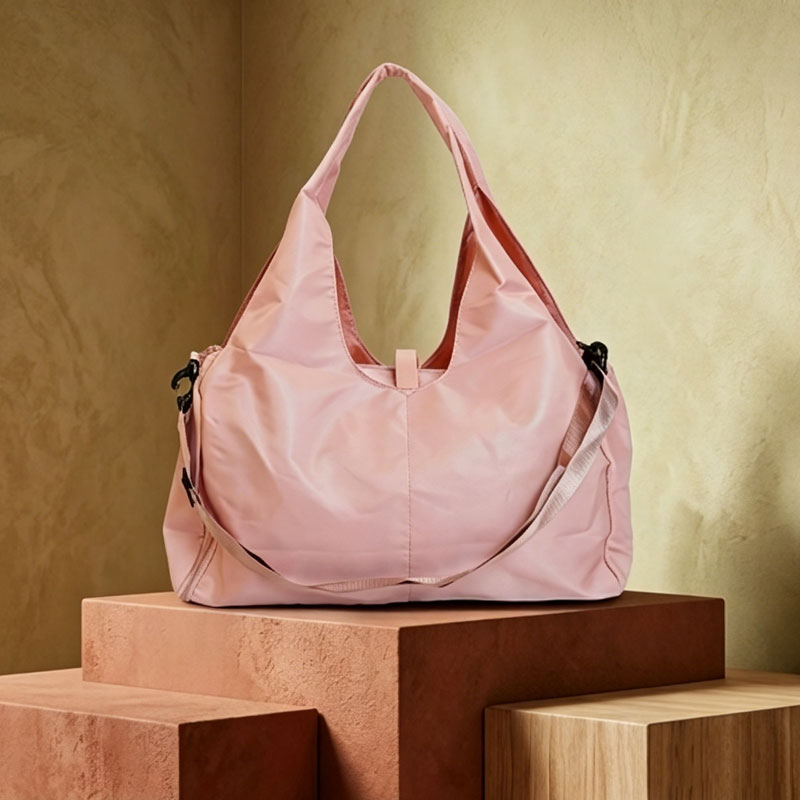
Review The main opening, carrying straps and the arrangement of internal or side spaces
Inspect strap attachment, zipper operation and the base with the agreed kit inside. Carry the sample in each intended way and note whether the load pulls the opening out of alignment. If a shoe storage area is important, ask the supplier to show the actual arrangement and its usable dimensions. Do not infer ventilation, water resistance or a separate compartment from the word ‘Oxford’ in the material description.
A school or retailer should decide whether the larger bag is core stock or an optional upgrade. Core stock needs clear colour and logo references for repeat orders. An optional upgrade needs an honest description of the extra space and the kit it has been tested to carry. Review one packed unit with the branding in place so the finished presentation matches the approved sample.
Write the receiving discrepancy precisely
If delivered stock differs from the agreed reference, identify the affected model, size, colour and carton where possible. Preserve the original packaging and photographs, and describe the observed difference without speculating about its cause. Ask the supplier to investigate under the agreed order terms. Keep affected stock distinguishable from approved inventory until the issue is resolved and the record is updated. When comparing ballet tote bag, connect this check to the chosen product reference.
A charm, ribbon or decorative loop should not be presented as a carrying handle unless the selected product is designed and supported for that purpose. Inspect the actual handle or strap attachments for the agreed use and ask the supplier to clarify any performance statement. A photograph of a filled bag does not establish a tested load rating. Keep the product description factual when that evidence is not available. This gives a buyer researching ballet tote bag a specific question to resolve with the supplier.
Test the actual carried kit
For a bag or pouch, identify the items it is expected to hold and test that arrangement on the sample. Keep wet or dirty items managed according to the actual construction, and do not assume separate shoe or bottle compartments without checking. A retailer can explain a tested use example while remaining clear about what is not included. The customer benefits from a practical packing photograph and accurate opening dimensions. Keep this decision visible in the ballet tote bag enquiry so the final offer answers the same brief.
Operate the zipper, clasp, ring or other closure on the sample and inspect its attachment points. Check the item with the intended contents or display arrangement, because a loose component can behave differently from the complete accessory. Record the approved hardware reference and discuss proposed substitutions before production. A visually similar clasp or zipper should not be assumed to offer the same opening, finish or ease of use. For ballet tote bag, make this part of the written review before accepting the order.
Keep delivery stages visible
Sampling, approval, production, dispatch, transport and local distribution are separate stages. Confirm the assumptions for each one with the relevant party. A production estimate does not include every part of the delivery route, and a general website timeline is not a confirmed booking for a custom project. Review the consequences of late approvals before promising an unchanged customer deadline. When comparing ballet tote bag, connect this check to the chosen product reference.
Choose samples according to the decision being made. A colour review needs relevant material references, a range review may need more than one size, and a packing review needs a complete packed unit. Confirm the sample scope and cost with the supplier. Ordering many samples without a clear review question can consume time while leaving the important fit or construction decision unanswered. This gives a buyer researching ballet tote bag a specific question to resolve with the supplier.
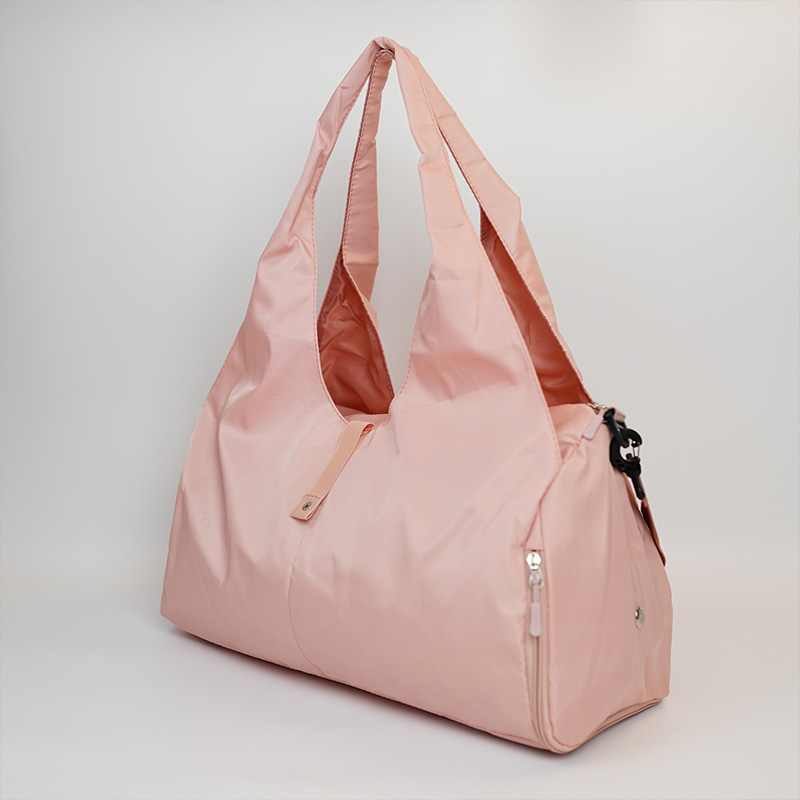
Describe the accessory's intended use
State whether the item is a storage bag, stationery pouch, decorative charm or another accessory. A ballet theme does not make every product a toy, and small decorative items need their own intended-use and destination-market review when promoted to children. Ask for the relevant product information from the supplier. Avoid broad safety claims or references to garment testing that do not apply to the actual accessory being ordered. Keep this decision visible in the ballet tote bag enquiry so the final offer answers the same brief.
Ask which decisions belong to design development, sampling and bulk production. A first sample can reveal a construction problem without being a failed bulk order, but it still needs a clear revision path. Confirm sample fees, scope and the steps required for approval. Do not treat an early feasibility discussion as a promise that every custom option will be available at the original price or schedule. For ballet tote bag, make this part of the written review before accepting the order.
Compare the Evidence Before Approval
| Decision | Useful evidence | Avoid this shortcut |
|---|---|---|
| Packing | Real kit loaded and retrieved | Using calculated external volume as capacity proof |
| Construction | Straps, zipper and base checked under agreed load | Assuming an untested carrying limit |
| Features | Actual compartments documented | Inferring ventilation from fabric name |
| Repeat Order Records | a repeat-order file showing what stays fixed and which changes require review | an unchanged style name hides a change in fabric, dimensions or components |
A Worked Planning Example
Consider an illustrative ballet tote bag enquiry for 64 units in 4 variants. The buyer wants to keep a later order tied to the approved product reference and therefore requests a record of external dimensions, usable opening, compartment dimensions and strap drop, plus a view of the main opening, carrying straps and the arrangement of internal or side spaces. The required result is a repeat-order file showing what stays fixed and which changes require review. If an unchanged style name hides a change in fabric, dimensions or components, that specific difference needs resolution before the affected approval. These figures are a planning example, not a customer case, quotation or minimum-order statement.
Use Category References Carefully
For general background on bag terminology, see Wikipedia’s overview of bags and handbags. Use the selected sample and product-specific evidence for the actual ballet tote bag decision. The reference explains category terminology and does not certify Jinwu’s products.
Prepare a Focused Enquiry
Send Jinwu the Large Capacity Ballet Dance Bag reference, your destination and planned variant mix, with the request to keep a later order tied to the approved product reference. Discuss custom options through its OEM/ODM services or contact the team. Ask for current material options, quantities and timing for the actual ballet tote bag brief.
Questions About Ballet Tote Bag
What should I confirm when researching ballet tote bag?
Start with the main opening, carrying straps and the arrangement of internal or side spaces in the Large Capacity Ballet Dance Bag sample. The purchase question here is how to keep a later order tied to the approved product reference.
Which measurements should the buyer record?
Record external dimensions, usable opening, compartment dimensions and strap drop. Use the measurement method and current chart for the actual supplied model.
What record helps with repeat order records?
Prepare a repeat-order file showing what stays fixed and which changes require review and identify the exact approved sample revision.
Which shortcut should I avoid?
For this enquiry, avoid the situation where an unchanged style name hides a change in fabric, dimensions or components. Resolve the specific difference before approval.
How should I enquire about ballet tote bag?
Send Jinwu the selected product reference, destination, quantity and variant mix. Ask how to keep a later order tied to the approved product reference for that scope.