
sommario
This guide to canvas ballet slippers focuses on how to allocate the order across sizes and variants using available evidence. The product example is Jinwu’s No-Tie Canvas Ballet Slippers: soft canvas ballet slippers with a no-tie opening arrangement. The practical outcome is an initial quantity matrix with a clear basis and replenishment rule. Start by checking the fixed opening construction and prearranged elastic and avoid assuming that a no-tie design removes the need for individual fitting.
Understand the No-Tie Canvas Ballet Slippers Reference
la no -Cravatta da ballo in tela L'elenco è il riferimento iniziale in Jinwu scarpe da ballo collection. Confirm foot length, width and the fit of the opening on the actual model for the selected version before treating canvas ballet slippers as an approved purchase.
A no-tie opening can simplify dressing, but it still needs to fit the wearer. Confirm whether the chosen model uses a fixed elastic edge or another construction, and inspect the sample from the inside. The absence of a loose drawstring should not be interpreted as one-size flexibility. Have the teacher or fitter review the actual shoe and its opening before a school approves a size run.
Check the prearranged elastic while the wearer uses ordinary permitted class positions. Look for twisting, loose sections or pressure that suggests an unsuitable shape. Do not ask the wearer to tighten or alter the shoe simply to make an incorrect size appear acceptable. Record the model, size and fitting observations so a replacement order can refer to the same construction.
Order Mix Decisions for Canvas Ballet Slippers
Choose quantities from the best relevant evidence you have. A school can use confirmed enrolment and fittings, while a retailer can use its own sales and enquiries for comparable items. If evidence is limited, state the assumption and keep the first range manageable. Do not present an invented universal size ratio as industry practice.
Separate total quantity from the quantity required in each variation. A supplier’s minimum order statement may refer to a style, colour, material or complete order. Ask which level applies to the actual brief. A large overall quantity does not necessarily solve a small quantity in one custom colour, so resolve those constraints before promising the full range to customers.
Plan the reorder trigger alongside the initial mix. Keep core stock and experimental variants identifiable, and review shortages against actual demand rather than impressions. For school distribution, preserve a small practical route for late enrolments where agreed. A revised quantity matrix should have its own date so the next order does not accidentally reuse a superseded allocation.
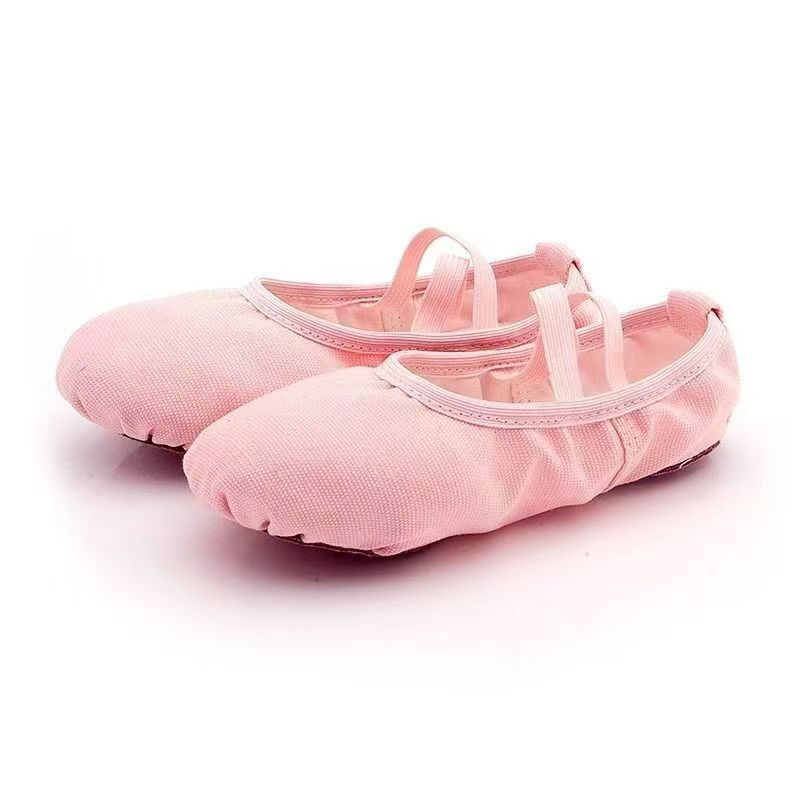
Review The fixed opening construction and prearranged elastic
Jinwu lists child and adult size ranges for this canvas model. Ask for the current chart and clarify how foot measurements map to those labels. Keep the chart beside the retained fitting pair. If the model is offered in several colours, verify that the construction and size reference are the same for each selected option before merging them into one school stock list.
A school issuing no-tie slippers can provide a simple identification and care guide for families. Explain the intended footwear type and use the approved care instructions for the assembled shoe. Keep spare pairs organised by the exact model as well as size. Two canvas slippers with similar labels may still differ in opening tension or internal shape.
Write the receiving discrepancy precisely
If delivered stock differs from the agreed reference, identify the affected model, size, colour and carton where possible. Preserve the original packaging and photographs, and describe the observed difference without speculating about its cause. Ask the supplier to investigate under the agreed order terms. Keep affected stock distinguishable from approved inventory until the issue is resolved and the record is updated. This gives a buyer researching canvas ballet slippers a specific question to resolve with the supplier.
Soft slippers, pointe shoes and warm-up boots serve different purposes and need clear product naming. A smooth pale upper or a ribbon detail does not establish pointe construction. Retailers should make the selected footwear type visible before the customer chooses a size. Schools should state the required type for the actual class. Decorative or catalogue language should not override the teacher's instruction or an individual professional fitting decision. Keep this decision visible in the canvas ballet slippers enquiry so the final offer answers the same brief.
Review the permitted use setting
Confirm the surfaces and activities for which the school intends to use the footwear. Warm-up boots should not be presented as a substitute for the required class shoe, and a soft slipper should not be marketed as protective outdoor footwear without relevant evidence. The teacher's routine controls when footwear changes are needed. A sourcing article can clarify these purchase questions without prescribing exercises or making medical promises. For canvas ballet slippers, make this part of the written review before accepting the order.
Identify the changes that require a fresh price or schedule: additional colours, a different material, a new label method or a revised packing arrangement may all matter. Ask the supplier to state the effect rather than assuming a small visual change is commercially neutral. Keep the chosen option in the final order so a later reviewer can understand why the accepted price differs from the initial enquiry. When comparing canvas ballet slippers, connect this check to the chosen product reference.
Use a destination-specific information brief
State the destination market and ask the responsible supplier, importer or adviser to confirm the product information required there. Requirements can depend on product type and intended users. Keep that review separate from marketing language about general quality. A government information link can provide useful context, but it does not certify the selected product or replace a review of the actual materials, labels and intended use. This gives a buyer researching canvas ballet slippers a specific question to resolve with the supplier.
A shoe contains more than its visible upper fabric. Soles, adhesives, elastic and decorative parts may affect what care is appropriate. Use the instructions supported for the chosen model rather than applying a generic washing method for canvas or satin textiles. Ask the supplier to clarify any ambiguous care statement before printing it on the pack or product page, and keep revised instructions tied to a revised construction. Keep this decision visible in the canvas ballet slippers enquiry so the final offer answers the same brief.
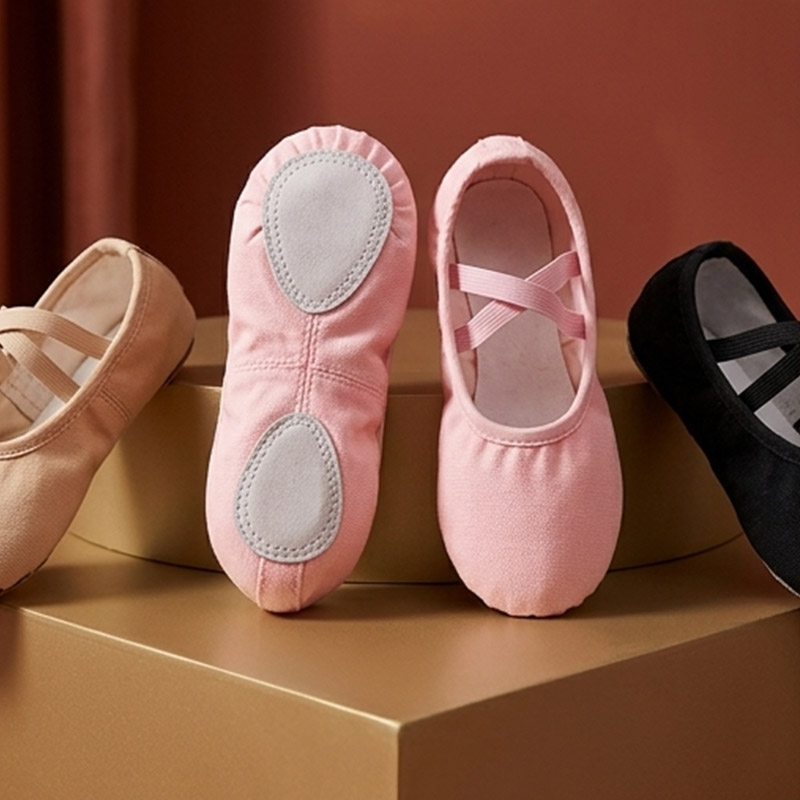
Inspect ribbons and elastic arrangements
Confirm which ribbons or elastic components arrive attached and which require individual adjustment. Review their position on the actual sample and ask the relevant teacher or fitter to assess the arrangement for the wearer. Do not tighten attachments to disguise an unsuitable shoe shape. A change in elastic or ribbon may affect use even when the upper colour is unchanged, so keep those component references with the approved pair. For canvas ballet slippers, make this part of the written review before accepting the order.
A minimum order quantity can apply to the whole order, a style, a colour or a customised component. Ask the supplier to specify the level for the actual brief. The website may show different quantities for stocked products and custom projects, so do not select whichever statement is most convenient. Record the confirmed requirement with the chosen construction and variant mix before the buying team commits to customer availability. When comparing canvas ballet slippers, connect this check to the chosen product reference.
Confronta le prove prima dell'approvazione
| decisione | Prove utili | Evita questa scorciatoia |
|---|---|---|
| Opening | Fixed edge construction confirmed | Assuming no tie means universal fit |
| Elastic | Check on the wearer in permitted positions | Altering tension to hide wrong size |
| Stock | Model and size kept together | Mixing visually similar canvas models |
| Order Mix Decisions | an initial quantity matrix with a clear basis and replenishment rule | equal quantities create shortages in core sizes and excess stock in low-demand variants |
Un esempio di pianificazione funzionante
Consider an illustrative canvas ballet slippers enquiry for 96 units in 2 variants. The buyer wants to allocate the order across sizes and variants using available evidence and therefore requests a record of foot length, width and the fit of the opening on the actual model, plus a view of the fixed opening construction and prearranged elastic. The required result is an initial quantity matrix with a clear basis and replenishment rule. If equal quantities create shortages in core sizes and excess stock in low-demand variants, that specific difference needs resolution before the affected approval. These figures are a planning example, not a customer case, quotation or minimum-order statement.
Usa attentamente i riferimenti alla categoria
For general footwear terminology, see Wikipedia’s overview of ballet shoes. Use the selected sample and product-specific evidence for the actual canvas ballet slippers decision. The reference explains category terminology and does not certify Jinwu’s products.
Preparare una richiesta mirata
Send Jinwu the No-Tie Canvas Ballet Slippers reference, your destination and planned variant mix, with the request to allocate the order across sizes and variants using available evidence. Discuss custom options through its Servizi OEM/ODM oppure Contatta il team. Ask for current material options, quantities and timing for the actual canvas ballet slippers brief.
Questions About Canvas Ballet Slippers
What should I confirm when researching canvas ballet slippers?
Start with the fixed opening construction and prearranged elastic in the No-Tie Canvas Ballet Slippers sample. The purchase question here is how to allocate the order across sizes and variants using available evidence.
Quali misurazioni dovrebbe registrare l'acquirente?
Record foot length, width and the fit of the opening on the actual model. Use the measurement method and current chart for the actual supplied model.
What record helps with order mix decisions?
Prepare an initial quantity matrix with a clear basis and replenishment rule and identify the exact approved sample revision.
Quale scorciatoia dovrei evitare?
For this enquiry, avoid the situation where equal quantities create shortages in core sizes and excess stock in low-demand variants. Resolve the specific difference before approval.
How should I enquire about canvas ballet slippers?
Send Jinwu the selected product reference, destination, quantity and variant mix. Ask how to allocate the order across sizes and variants using available evidence for that scope.