
Ballet Leotard Care Instructions for Studios and Retailers
Ballet leotard care instructions should answer the questions that come up after class: can this garment go in the washing machine, how should it dry, and do its mesh panels need different handling?
For a dance school or retailer, the aim is to give customers one clear routine for the exact style they own. Start with its attached care label, not a washing method borrowed from another leotard. The guidance below explains how to turn that label into a practical routine and what to clarify before sharing advice with families or staff.
Table of Contents
Start With the Finished Garment, Not Just Its Fabric
Useful ballet leotard care instructions account for the complete garment. A fiber declaration describes its materials; it does not, by itself, approve a washing cycle for every lining, print, elastic or decorative panel attached to them. The FTC’s care labeling guidance explains that care instructions need supporting evidence for the garment as a whole, including its components.
Consider Jinwu’s Cross Back Ballet Leotard, which lists a 75% polyamide and 25% spandex fabric. Those published percentages help identify the material, but they do not establish a customer washing temperature or drying method. Confirm the instructions attached to the supplied garment.
When selecting from the dancewear collection, record the care requirements beside each shortlisted style. This makes a useful buying question visible early: will the intended customer realistically follow this routine throughout the term?
A school uniform and an occasional performance garment need not share the same care plan. Choose with the wearer’s actual laundry arrangements in mind.
Read Ballet Leotard Care Instructions Before Choosing a Program
Read ballet leotard care instructions as a complete set. Under the GINETEX system, a number inside the washing symbol is a maximum temperature, while bars beneath it specify gentler mechanical treatment. Temperature alone does not describe the complete cycle. The GINETEX care symbol guide explains these distinctions.
Use the following questions when translating a label into plain language. This is a reading checklist, not a universal washing prescription.
| Part of the care instructions | Question to resolve | What to put in your customer guidance |
|---|---|---|
| Washing method | Is domestic washing permitted, and by which method? | The approved method for this style |
| Temperature and cycle | What temperature limit and treatment intensity apply? | Both settings, not temperature alone |
| Detergent and bleach | Are there specific restrictions? | The relevant restrictions without inventing a detergent formula |
| Drying | Which drying method is specified? | The actual method, not simply “dry carefully” |
| Ironing and special treatment | Are there warnings or separate instructions? | Any applicable exclusions and a contact for clarification |
Photograph the label before creating a school handout. Ask someone unfamiliar with the product to explain the routine back to you. Any point they interpret differently needs clearer wording.
Separate Routine Classwear From Decorative Styles
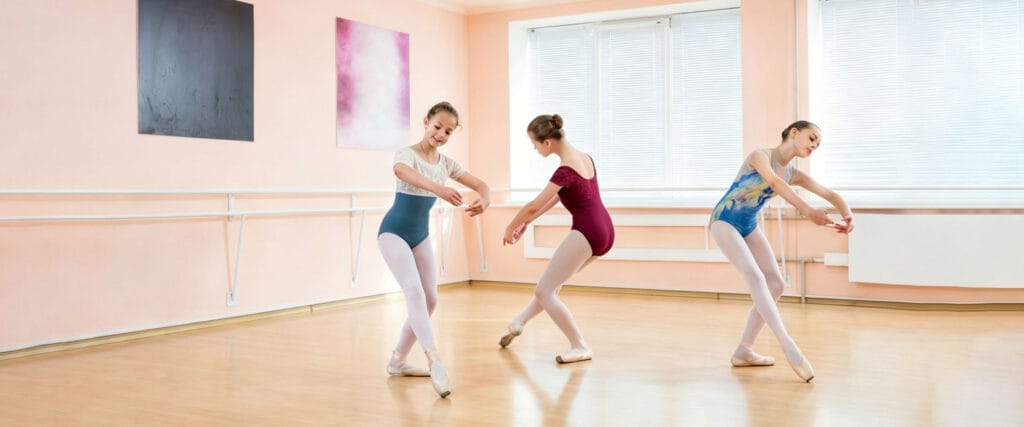
Do not distribute identical ballet leotard care instructions merely because two products belong to the same collection. Review the details that distinguish the styles, then confirm whether their care requirements also differ.
Jinwu’s Velvet Flocked Ballet Leotard combines textured flocking with a sheer mesh yoke. Its appearance should prompt a specific question about caring for that finish, rather than an assumption that a general stretch-fabric routine is sufficient. The product description is not a substitute for its care label.
Check the Details That Need an Explanation
Before issuing ballet leotard care instructions for a decorative style, ask whether the approved routine includes any preparation for its trims, fastening or surface treatment. Do not remove a component unless it is designed to detach.
At a uniform fitting, demonstrate only the preparation confirmed for that style. A short explanation using the actual garment is preferable to handing every family an unrelated fabric-care chart.
For a retail assortment, keep separate care records whenever the instructions differ. A shared color name, fiber blend or product category is not a reason to merge them.
How to Hand Wash a Ballet Leotard When the Label Permits It
Where ballet leotard care instructions specify hand washing, prepare a clean basin and use water within the stated temperature limit. Select a suitable detergent and follow its hand-washing dosage. Avoid estimating the amount from a full-machine dose.
Move the garment gently through the solution, rinse thoroughly and remove excess water without twisting it. GINETEX’s hand-washing guidance describes gentle handling and warns against substituting a machine’s delicate setting for a hand-wash-only instruction.
Do Not Add an Unapproved Soaking Stage
Ask the supplier to clarify any soaking restriction before including one in your routine. Do not invent a fixed soaking time for a mesh, printed or flocked garment because another item tolerated it.
Keep the next step ready before starting: the rinse area, a suitable place to support the garment and its specified drying arrangement. Follow any instructions about reshaping or removing water.
For school-issued ballet leotard care instructions, explain the whole sequence from preparation to drying. Ending the handout at “hand wash gently” leaves the family to make the remaining decisions themselves.
When Machine Washing Is an Appropriate Option
Machine washing belongs in ballet leotard care instructions only when the garment’s label permits it. Do not substitute a program called “delicates” or “sportswear” for a hand-wash-only requirement. Program names do not change that restriction.
For an approved machine-washable style, select the stated temperature and cycle. Follow any preparation instructions, including turning the garment inside out when specified. GINETEX’s sportswear washing advice highlights inside-out washing and cautions against fabric softener for technical clothing. Those general tips do not override the leotard’s own instructions.
A laundry bag should not be treated as permission to machine wash an otherwise unsuitable garment. Ask whether it is recommended for the particular style, and keep the approved cycle unchanged.
For a shared studio laundry room, place the style-specific instructions where garments are sorted. Give staff a clear route for setting aside items with missing labels instead of guessing their care requirements.
Choose Detergent and Additives Deliberately
Ballet leotard care instructions should distinguish the detergent from optional additives. Do not add bleach, fabric softener or a stain treatment simply because it is part of the household’s usual wash.
Check the garment’s restrictions against the detergent packaging. GINETEX’s detergent selection guidance recommends dosing for water hardness and soiling, and cautions that excess detergent can leave residue. It also distinguishes permitted bleaching from the assumption that every detergent is suitable for colored textiles.
For hand washing, use the product’s hand-washing directions rather than shrinking a machine dose by guesswork. A classroom sink, a small basin and a washing machine do not call for one universal quantity.
When writing ballet leotard care instructions, avoid promising that a detergent is safe for every style. Record a manufacturer’s specific restriction accurately, but do not turn a broad description such as “mild detergent” into an unsupported formula or brand endorsement.
Handle Stains Without Inventing a Stronger Wash
A mark on a leotard is a reason to investigate, not automatically a reason to increase the temperature, scrub harder or leave the garment soaking overnight.
Use a simple escalation rule alongside your ballet leotard care instructions: identify the garment and the mark, check the approved care method, then ask for guidance when the proposed treatment falls outside it.
For a retailer handling a customer query, request a photograph of the affected area and care label. Ask what the stain is believed to be and what has already been applied. Avoid recommending several treatments in succession without understanding the first result.
With decorative garments, ask specifically whether the suggested treatment is suitable for the finish as well as the fabric. Do not describe a small hidden-area trial as proof that the complete garment can withstand a different wash process.
For persistent or unidentified marks, refer the case to the garment supplier or an appropriate professional cleaner. Keep the care label available and explain any treatment already attempted.
Treat Drying and Ironing as Separate Decisions
Ballet leotard care instructions are incomplete in practice when the washing stage is clear but the drying stage is left to guesswork.
Check the drying instruction independently. GINETEX distinguishes tumble drying from natural drying methods, including flat and line drying. A permitted washing process does not select the drying method for you. Follow any instruction about drying in the shade.
Set aside enough space to follow the prescribed method without improvising. Do not rely on a radiator, hair dryer or last-minute tumble cycle to make a garment ready for class.
For ballet leotard care instructions covering several uniform styles, show the actual drying method for each. Avoid replacing all of them with the vague phrase “air dry.”
Do Not Choose an Iron Setting From the Fiber Blend
GINETEX advises selecting ironing conditions from the care label rather than fiber content. Some articles must not be ironed; an apparently suitable setting for the main fabric is not approval for decorative details.
Ask for clarification when a garment needs presentation finishing but its instructions are unclear. Do not assume steaming is an approved alternative to ironing.
Make After-Class Handling Part of the Routine
Place ballet leotard care instructions where they are useful: in the uniform information pack, with the order confirmation and beside the storage area for shared garments.
After class, take damp clothing out of the dance bag rather than leaving it bundled there until the next lesson. GINETEX’s practical laundry advice recommends attending to wet laundry promptly and allowing it to dry when washing cannot happen immediately. Follow the garment’s handling instructions while doing so.
For a school, separate garments awaiting washing from those ready to issue. Use a simple status label on the storage container, not an improvised attachment through delicate fabric.
Plan uniform availability around the prescribed cleaning and drying routine. Where a school has consecutive rehearsal days, discuss garment rotation before families start using unapproved shortcuts to meet the schedule.
Review ballet leotard care instructions when the uniform changes. A familiar school color should not make an updated style inherit the old garment’s directions automatically.
Build Ballet Leotard Care Instructions Into Your Care Card
A care card should explain the approved routine without introducing new claims. Organize ballet leotard care instructions around the decisions the customer must make, then have the finished wording checked against the garment label.
The table below is a content template for your team to complete. It is not ready-to-print washing advice for an unspecified product.
| Care-card field | Information to confirm before publication |
|---|---|
| Product identity | Style name or code and the version covered |
| Before washing | Any approved preparation or separation instruction |
| Washing | Method, temperature and cycle where applicable |
| Cleaning products | Relevant detergent or additive restrictions |
| Drying and finishing | The specified drying method and applicable ironing warnings |
| Questions | A contact route for an unreadable label or unexplained instruction |
For US-bound apparel, the FTC explains that covered garments generally need permanently attached, legible care labels. Treat a supplementary card or web page as supporting information rather than assuming it replaces the required label. Confirm requirements for the destination market.
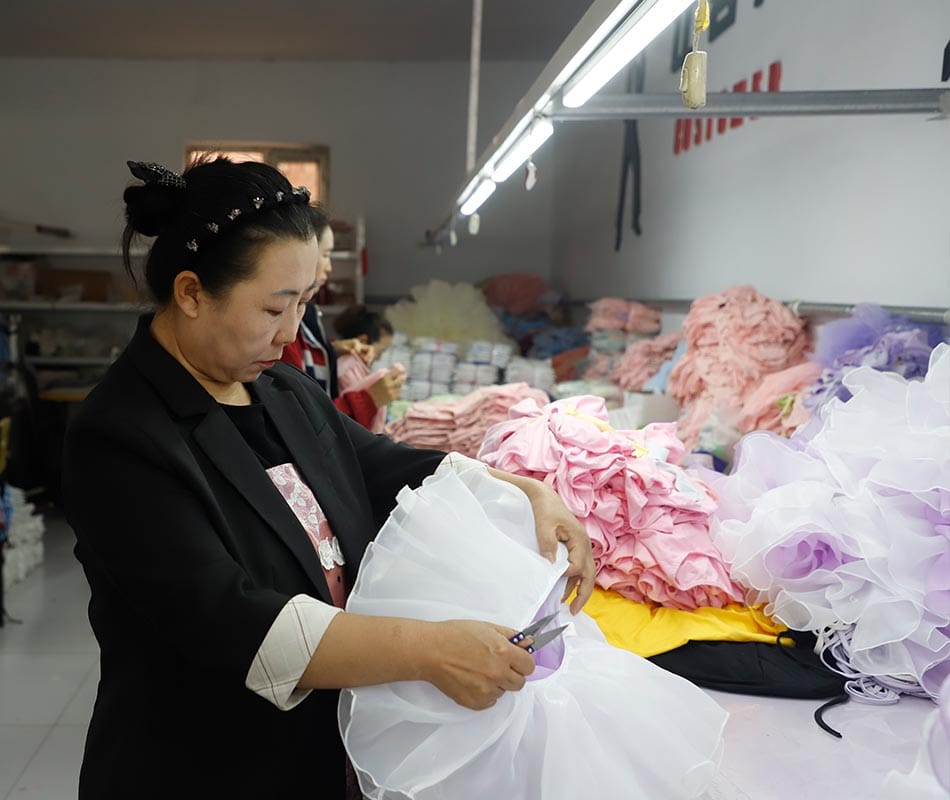
Jinwu’s OEM and ODM services include label and packaging customization. Discuss the approved care wording alongside those project details, and request confirmation for the actual style rather than copying another product’s label.
Keep Care Advice and Product Feedback Connected
When a customer reports a problem, compare what happened with the ballet leotard care instructions they received. Record the style, color, affected area, label wording and reported washing and drying process.
Do not decide from one photograph that the customer caused the damage, or that the entire batch has a defect. Look for a pattern across reports and preserve the affected garment for review where practical.
For a formal investigation, ask the supplier or laboratory to identify the procedure used. ISO 6330 specifies domestic washing and drying procedures for textile testing; naming it alone is not evidence that a particular leotard has passed an assessment.
Update customer-facing ballet leotard care instructions only after the revised advice has been confirmed. Keep the previous version available internally so staff can establish which directions accompanied an earlier order.
Conclusion
Effective ballet leotard care instructions connect the garment label with a routine the wearer can follow. Confirm the washing method, explain drying and finishing, and give decorative styles the attention their specific instructions require.
Planning a school uniform or retail collection? Contact Jinwu Dancewear with your selected styles and intended use. Request the applicable care information alongside samples, labels and packaging before finalizing your order.
FAQ
Can you machine wash a ballet leotard?
Only when its care label permits machine washing. Use the specified temperature and cycle. A delicate program or laundry bag does not override a hand-wash-only instruction.
What temperature should you wash a ballet leotard at?
Follow the garment’s stated temperature limit and washing method. There is no universal temperature approved for every leotard. Under the GINETEX system, the number inside the wash symbol is the maximum, not a complete cycle instruction.
Can ballet leotards go in a tumble dryer?
Use a tumble dryer only when the garment’s care instructions allow it, and follow the stated conditions. Otherwise, use the specified natural drying method rather than assuming every leotard should be hung or laid flat.
How should you wash a leotard with mesh or flocked details?
Follow the instructions for the complete garment, not just its main fabric. Ask the supplier to clarify any restrictions on soaking, rubbing or finishing before using a method not covered by the label.
What should a school include in ballet leotard care instructions?
Include the relevant style, approved washing method, temperature and cycle where applicable, product restrictions, drying method and any finishing warnings. Add a contact for questions, and check that the guidance matches the garment’s care label.