
tabla de contenido
This guide to ballet shoes focuses on how to build a small coherent product range rather than an unmanageable list of variants. The product example is Jinwu’s Ballet Pointe Shoes: pointe footwear requiring individual fitting and qualified instruction. The practical outcome is a range matrix showing core styles, optional variants and initial quantities. Start by checking the interaction of toe box, platform, shank and the dancer's fitted foot and avoid selecting pointe footwear through an online size number or a generic school bulk allocation.
Understand the Ballet Pointe Shoes Reference
los zapatillas de ballet El listado es la referencia inicial en Jinwu zapatillas collection. Confirm the full model-specific fitting assessment rather than a length-only size conversion for the selected version before treating ballet shoes as an approved purchase.
Pointe shoes should enter a buying discussion only after the dancer’s teacher has determined that pointe work is appropriate. This article is a sourcing and specification guide, not a readiness assessment or fitting prescription. Arrange individual fitting with a qualified professional, and do not treat a catalogue age range, size number or a model photograph as permission to begin pointe work.
Ask the supplier to identify the actual toe box, platform, shank options and construction offered in the model. A page that lists colours and length sizes does not provide enough information for an individual fitting decision. Keep the fitter’s selected model and specification together as a pair-level record. Do not allocate a universal shank or width across a class merely to simplify purchasing.
Range Planning for Ballet Shoes
Start a range plan with the job each style performs. Identify the core repeat item, the design option and any seasonal or event-led addition. Give each a reason to exist for the intended customer. A smaller range with clear differences is easier to explain and replenish than a collection of near-identical options that compete for the same purchase.
Count combinations before choosing quantities. Sizes, colours, materials and branding options multiply the number of stock-keeping units. Check whether your budget can support a useful initial quantity in each combination. If not, simplify one dimension of the range. Keep an experimental colour separate from core uniform stock so its sales do not distort the reorder decision for the essential item.
Agree which evidence will justify expansion. Retail sales, fitting requests, school enrolments and specific customer enquiries can identify a useful missing option. Set a review date and record the decision at that point. Expanding because a sample looks appealing is less dependable than adding a variant that solves an observed gap in the collection.
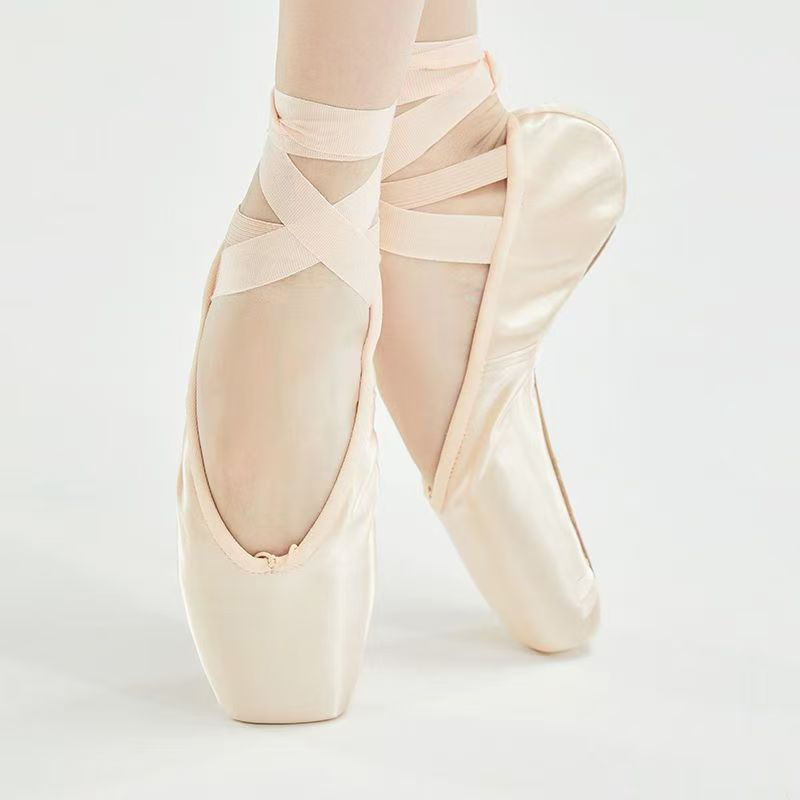
Review The interaction of toe box, platform, shank and the dancer's fitted foot
Confirm the upper material because a satin appearance does not establish silk fibre content. Keep footwear construction information separate from decorative colour choices. Any substitution affecting the box, shank, platform or fit needs a fresh professional review before it is supplied to a dancer. A visually similar replacement pair is not automatically equivalent to the original fitted model.
Schools can coordinate communication and order administration while keeping individual fitting decisions with the teacher and fitter. Label each pair accurately and confirm the change or return arrangements before ordering. Do not promise that shoes can be made suitable through breaking-in, padding or ribbon adjustment. Pain, persistent discomfort or an uncertain fit should stop use and prompt qualified advice.
Agree what a minimum quantity applies to
A minimum order quantity can apply to the whole order, a style, a colour or a customised component. Ask the supplier to specify the level for the actual brief. The website may show different quantities for stocked products and custom projects, so do not select whichever statement is most convenient. Record the confirmed requirement with the chosen construction and variant mix before the buying team commits to customer availability. Keep this decision visible in the ballet shoes enquiry so the final offer answers the same brief.
Keep the supplier's chart with the exact footwear model and construction being ordered. Similar size numbers across soft slippers, warm-up boots and pointe footwear do not establish equivalent fit. Confirm the measurement method and involve the teacher or qualified fitter where appropriate. A school can coordinate order records, but it should not replace individual fit decisions with a generic conversion table created for administrative convenience. For ballet shoes, make this part of the written review before accepting the order.
Usar criterios prácticos de aceptación
Describe acceptance in terms the buyer and supplier can both check. State the reference, the measurement method and the required appearance or operation. Avoid vague instructions such as 'excellent quality' when the team needs to decide whether a particular join, opening or label is acceptable. If numerical tolerances are required, agree them for the actual product and process instead of inventing a universal value in a blog guide. When comparing ballet shoes, connect this check to the chosen product reference.
Keep the quantity by model, colour and size in a single dated matrix. Check that its total agrees with the order and that any later changes are reflected in the packing plan. Use actual school fittings, enrolments or the retailer's relevant records where available. If the first allocation is an assumption, label it as such and plan how it will be reviewed. Do not invent a universal market size ratio. This gives a buyer researching ballet shoes a specific question to resolve with the supplier.
Identify each pair during distribution
A pair should remain connected to its model, colour, size and any individually selected fitting details. Check both shoes and the package identification before issuing them. Keep replacement stock by exact model rather than grouping all pink or canvas shoes together. If a school coordinates delivery to students, preserve its private recipient list appropriately and keep the external package information limited to what distribution actually needs. Keep this decision visible in the ballet shoes enquiry so the final offer answers the same brief.
Identify the changes that require a fresh price or schedule: additional colours, a different material, a new label method or a revised packing arrangement may all matter. Ask the supplier to state the effect rather than assuming a small visual change is commercially neutral. Keep the chosen option in the final order so a later reviewer can understand why the accepted price differs from the initial enquiry. For ballet shoes, make this part of the written review before accepting the order.
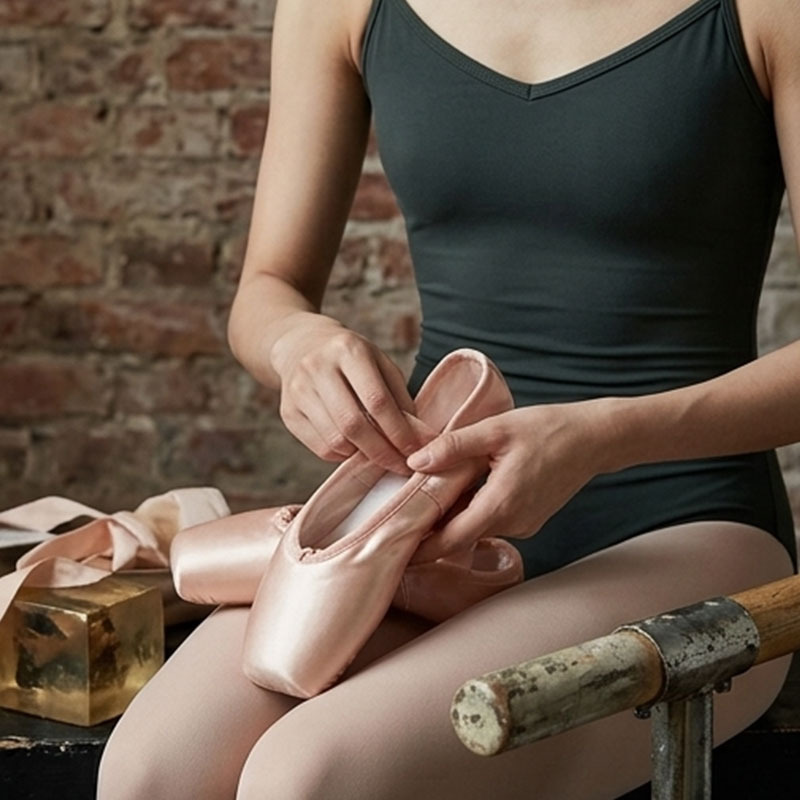
Mantenga las decisiones de ajuste profesional por separado
Footwear that requires a teacher or qualified fitter's assessment should remain within that process. An online product description cannot determine pointe readiness or prescribe a model for an individual dancer. Do not use pain, pressure or an obvious fit problem as something to work through during a purchase trial. Stop and seek the appropriate qualified advice. Keep the selected model details accurate so the order supplies the reviewed construction. When comparing ballet shoes, connect this check to the chosen product reference.
Ask the supplier to show the sole, opening and upper from several useful views. Record the actual construction rather than inferring it from a broad name such as ballet shoe or canvas slipper. If a sole section, adhesive or upper material changes, assess the complete footwear again for its intended use. Do not make traction, support or durability claims from a photograph of the sole alone. This gives a buyer researching ballet shoes a specific question to resolve with the supplier.
Compara la evidencia antes de la aprobación
| decisión | Evidencia útil | Evita este atajo |
|---|---|---|
| Readiness | Teacher determines appropriateness | Using age or catalogue size as permission |
| Fit | Individual qualified fitting | Bulk allocation by street-shoe size |
| Substitution | Professional review of changed construction | Accepting a visually similar pair automatically |
| Range Planning | a range matrix showing core styles, optional variants and initial quantities | too many combinations fragment stock before demand is understood |
Un ejemplo de planificación trabajado
Consider an illustrative ballet shoes enquiry for 36 units in 2 variants. The buyer wants to build a small coherent product range rather than an unmanageable list of variants and therefore requests a record of the full model-specific fitting assessment rather than a length-only size conversion, plus a view of the interaction of toe box, platform, shank and the dancer's fitted foot. The required result is a range matrix showing core styles, optional variants and initial quantities. If too many combinations fragment stock before demand is understood, that specific difference needs resolution before the affected approval. These figures are a planning example, not a customer case, quotation or minimum-order statement.
Use las referencias de categorías con cuidado
Para terminología general del calzado, véase Descripción general de las zapatillas de ballet de Wikipedia. Use the selected sample and product-specific evidence for the actual ballet shoes decision. The reference explains category terminology and does not certify Jinwu’s products.
Preparar una consulta enfocada
Send Jinwu the Ballet Pointe Shoes reference, your destination and planned variant mix, with the request to build a small coherent product range rather than an unmanageable list of variants. Discuss custom options through its Servicios OEM/ODM investigaciones operacionales contactar al equipo. Ask for current material options, quantities and timing for the actual ballet shoes brief.
Questions About Ballet Shoes
What should I confirm when researching ballet shoes?
Start with the interaction of toe box, platform, shank and the dancer’s fitted foot in the Ballet Pointe Shoes sample. The purchase question here is how to build a small coherent product range rather than an unmanageable list of variants.
¿Qué medidas debe registrar el comprador?
Record the full model-specific fitting assessment rather than a length-only size conversion. Use the measurement method and current chart for the actual supplied model.
What record helps with range planning?
Prepare a range matrix showing core styles, optional variants and initial quantities and identify the exact approved sample revision.
¿Qué atajo debo evitar?
For this enquiry, avoid the situation where too many combinations fragment stock before demand is understood. Resolve the specific difference before approval.
How should I enquire about ballet shoes?
Send Jinwu the selected product reference, destination, quantity and variant mix. Ask how to build a small coherent product range rather than an unmanageable list of variants for that scope.