
tabla de contenido
This guide to kids ballet dress focuses on how to build a small coherent product range rather than an unmanageable list of variants. The product example is Jinwu’s Lace Tutu Ballet Dress: a children's ballet dress combining a decorated bodice with a tutu-style skirt. The practical outcome is a range matrix showing core styles, optional variants and initial quantities. Start by checking the skirt attachment, layered silhouette and the decorative upper panel and avoid confusing a class dress with a structured professional stage tutu.
Understand the Lace Tutu Ballet Dress Reference
los Vestido de ballet de encaje tutú El listado es la referencia inicial en Jinwu Ropa de baile para niños collection. Confirm skirt length from the attachment seam, waist position and bodice girth for the selected version before treating kids ballet dress as an approved purchase.
A tutu-style class dress and a structured stage tutu are different purchase briefs. Describe the required silhouette, skirt length and use in plain terms, then compare the sample with that brief. Jinwu’s Lace Tutu Ballet Dress provides a concrete children’s style to discuss. Its name alone does not define the rigidity, number of skirt layers or suitability for a particular role or examination.
Measure skirt length from a stated point. A length measured from the waist seam cannot be compared directly with one measured from the shoulder. Review the front, side and back so the teacher can judge movement and visibility. If the skirt is attached, inspect the join while the wearer bends and raises the arms. Any pulling between bodice and skirt belongs in the fit notes.
Range Planning for Kids Ballet Dress
Start a range plan with the job each style performs. Identify the core repeat item, the design option and any seasonal or event-led addition. Give each a reason to exist for the intended customer. A smaller range with clear differences is easier to explain and replenish than a collection of near-identical options that compete for the same purchase.
Count combinations before choosing quantities. Sizes, colours, materials and branding options multiply the number of stock-keeping units. Check whether your budget can support a useful initial quantity in each combination. If not, simplify one dimension of the range. Keep an experimental colour separate from core uniform stock so its sales do not distort the reorder decision for the essential item.
Agree which evidence will justify expansion. Retail sales, fitting requests, school enrolments and specific customer enquiries can identify a useful missing option. Set a review date and record the decision at that point. Expanding because a sample looks appealing is less dependable than adding a variant that solves an observed gap in the collection.
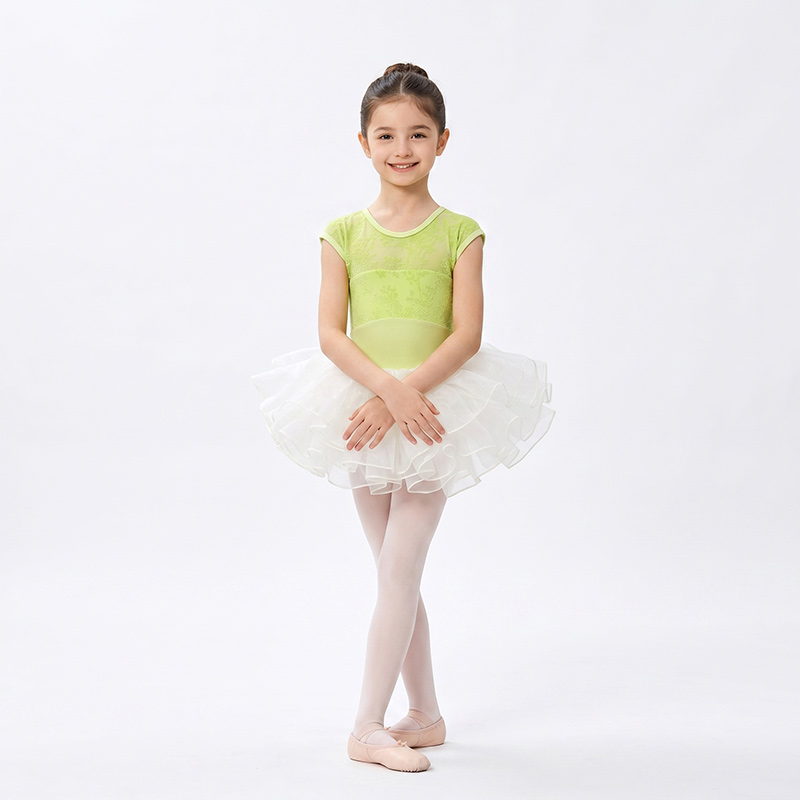
Review The skirt attachment, layered silhouette and the decorative upper panel
Look at the inside of the decorated bodice and the skirt seam. A child’s garment needs a comfortable finish in the areas that contact the body, and decoration should not hide a rough edge. Review how the dress is put on and removed without pulling the layered skirt. For a school order, an easy identification label and a simple parent-facing care description are useful parts of the finished product.
Approve packing with the intended skirt shape in mind. Open one trial pack and assess how much preparation the dress needs before distribution or photography. A flat parcel may be convenient but still require a deliberate method to preserve the presentation. Tell the supplier whether the order is for individual retail packs or for school distribution so the packing method fits the actual use.
Check lining as part of the complete design
Lining can change coverage, feel and the way a garment stretches. Identify the lined areas on a front and back panel map and confirm the actual material reference. View the sample under ordinary studio lighting with the intended layers. Do not infer opacity from a dark catalogue background or assume that a decorative mesh area is lined. Any change to lining should be reviewed in the assembled garment before the buyer confirms production. Keep this decision visible in the kids ballet dress enquiry so the final offer answers the same brief.
If delivered stock differs from the agreed reference, identify the affected model, size, colour and carton where possible. Preserve the original packaging and photographs, and describe the observed difference without speculating about its cause. Ask the supplier to investigate under the agreed order terms. Keep affected stock distinguishable from approved inventory until the issue is resolved and the record is updated. For kids ballet dress, make this part of the written review before accepting the order.
Acordar a qué se aplica una cantidad mínima
A minimum order quantity can apply to the whole order, a style, a colour or a customised component. Ask the supplier to specify the level for the actual brief. The website may show different quantities for stocked products and custom projects, so do not select whichever statement is most convenient. Record the confirmed requirement with the chosen construction and variant mix before the buying team commits to customer availability. When comparing kids ballet dress, connect this check to the chosen product reference.
Review a garment with the intended wearer and teacher using movements that belong to the normal class routine. Watch the neckline, armholes, waist and lower-body position rather than asking whether the sample simply feels tight or loose. Record the movement that produces a problem and the location where it appears. This makes the feedback useful to the pattern maker and avoids a blanket size increase that introduces excess width elsewhere. This gives a buyer researching kids ballet dress a specific question to resolve with the supplier.
Compare el pedido con la muestra aprobada
The approved sample and the final purchase specification should agree before production begins. Check model, components, materials, colours, size range, labels and packing. If the quotation describes something different, resolve it in writing rather than assuming that the sample overrides the order automatically. The receiving team should use that same set of references to assess what has actually been delivered. Keep this decision visible in the kids ballet dress enquiry so the final offer answers the same brief.
A sample comparison becomes harder to interpret when material, pattern, decoration and packing all change together. Where practical, identify which change answers the observed problem and review its effect. If several changes are necessary, list them separately and show what was accepted in the revised sample. This makes later production questions easier to resolve than an approval based on an overall impression alone. For kids ballet dress, make this part of the written review before accepting the order.
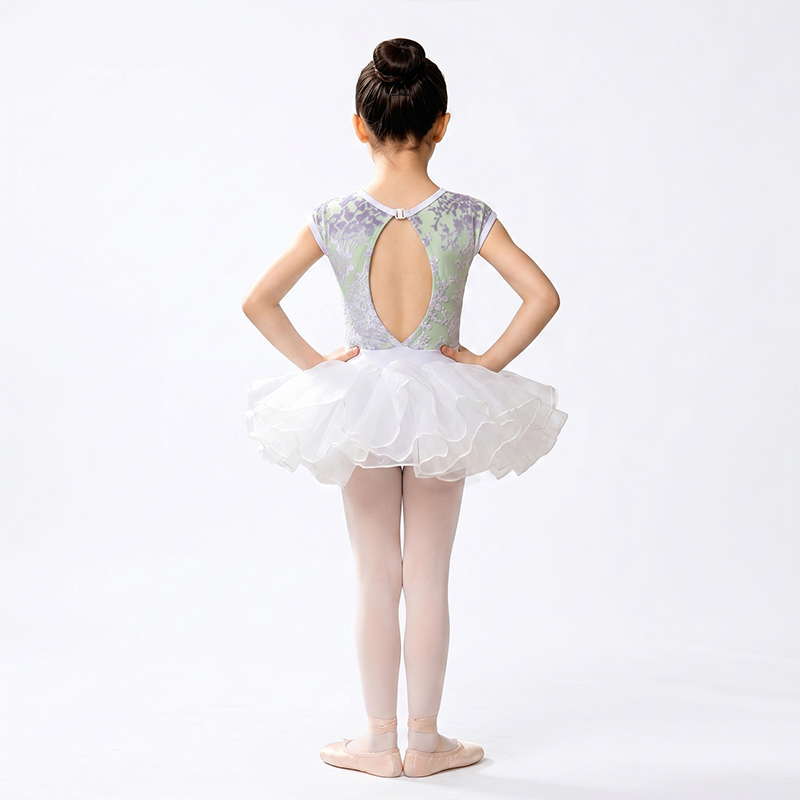
Assess fabric appearance under intended conditions
View light and dark fabrics in the conditions where the garment will be used and photographed. Stretch, lining and directional texture can all change the visible result. Ask the buyer to identify the coverage and appearance outcome that matters rather than relying on general words such as premium or opaque. Use the approved physical sample to resolve differences between photographs, and avoid promising a performance level that has not been evaluated. When comparing kids ballet dress, connect this check to the chosen product reference.
A useful fit note states the model, sample size, observation and requested outcome. For example, describe where a neckline moves during an agreed arm movement instead of writing 'make it better'. Keep body information private and share only what the supplier needs for the revision. Ask the pattern maker to explain the proposed change, then review the revised sample in the same way so the before-and-after comparison is meaningful. This gives a buyer researching kids ballet dress a specific question to resolve with the supplier.
Compara la evidencia antes de la aprobación
| decisión | Evidencia útil | Evita este atajo |
|---|---|---|
| Use | Class dress or stage costume specified | Treating every tutu silhouette as interchangeable |
| Length | Consistent measurement starting point | Comparing shoulder and waist measurements |
| Attachment | Skirt join reviewed during movement | Checking the skirt separately from the bodice |
| Range Planning | a range matrix showing core styles, optional variants and initial quantities | too many combinations fragment stock before demand is understood |
Un ejemplo de planificación trabajado
Consider an illustrative kids ballet dress enquiry for 56 units in 2 variants. The buyer wants to build a small coherent product range rather than an unmanageable list of variants and therefore requests a record of skirt length from the attachment seam, waist position and bodice girth, plus a view of the skirt attachment, layered silhouette and the decorative upper panel. The required result is a range matrix showing core styles, optional variants and initial quantities. If too many combinations fragment stock before demand is understood, that specific difference needs resolution before the affected approval. These figures are a planning example, not a customer case, quotation or minimum-order statement.
Use las referencias de categorías con cuidado
For general context for tutu terminology, see Wikipedia’s overview of ballet tutus. Use the selected sample and product-specific evidence for the actual kids ballet dress decision. The reference explains category terminology and does not certify Jinwu’s products.
Preparar una consulta enfocada
Send Jinwu the Lace Tutu Ballet Dress reference, your destination and planned variant mix, with the request to build a small coherent product range rather than an unmanageable list of variants. Discuss custom options through its Servicios OEM/ODM investigaciones operacionales contactar al equipo. Ask for current material options, quantities and timing for the actual kids ballet dress brief.
Questions About Kids Ballet Dress
What should I confirm when researching kids ballet dress?
Start with the skirt attachment, layered silhouette and the decorative upper panel in the Lace Tutu Ballet Dress sample. The purchase question here is how to build a small coherent product range rather than an unmanageable list of variants.
¿Qué medidas debe registrar el comprador?
Record skirt length from the attachment seam, waist position and bodice girth. Use the measurement method and current chart for the actual supplied model.
What record helps with range planning?
Prepare a range matrix showing core styles, optional variants and initial quantities and identify the exact approved sample revision.
¿Qué atajo debo evitar?
For this enquiry, avoid the situation where too many combinations fragment stock before demand is understood. Resolve the specific difference before approval.
How should I enquire about kids ballet dress?
Send Jinwu the selected product reference, destination, quantity and variant mix. Ask how to build a small coherent product range rather than an unmanageable list of variants for that scope.