tabla de contenido
This guide to ballet slippers focuses on how to keep a later order tied to the approved product reference. The product example is Jinwu’s Bowknot Ballet Slippers: pink soft ballet slippers with bow and decorative trim details. The practical outcome is a repeat-order file showing what stays fixed and which changes require review. Start by checking the bow, upper trim, elastic and soft-slipper sole and avoid choosing a decorative slipper before the teacher confirms the required class footwear.
Understand the Bowknot Ballet Slippers Reference
los Zapatillas de ballet con lazo El listado es la referencia inicial en Jinwu zapatillas collection. Confirm model-specific foot length and width with decoration placement on the finished shoe for the selected version before treating ballet slippers as an approved purchase.
A bowknot slipper should be chosen for a specific class or presentation brief. Ask the teacher whether decorative bows and trim are appropriate before committing to a school-wide order. Confirm that the selected item is a soft slipper and use that description consistently. Decorative styling does not establish a shoe’s technical suitability for every ballet programme.
Inspect the bow attachment and trim from the inside and outside. Check whether they interfere with the opening or contact the foot in an uncomfortable way. Ask the supplier to describe the decorative components and the intended handling information for the destination market. A small bow can be a prominent visual detail, but it also needs a clear attachment and inspection specification.
Repeat Order Records for Ballet Slippers
A repeat order should identify the previous approved reference, not just the previous invoice number. Include the product revision, material, colour, size chart and packing details that matter to consistency. Ask the supplier to confirm availability and state any proposed changes before accepting the new order. This makes an identical-looking style name a starting point rather than the entire specification.
Separate administrative changes from product changes. A new carton quantity may not affect the sample, while a substitute fabric, elastic, zipper or decorative part can. Keep a short change log and require the appropriate review for the affected construction. The review can focus on the changed component, but it should consider its effect on the complete item.
Compare incoming repeat stock with the retained reference before mixing it with existing inventory. Check shade, identification and the details important to the customer’s experience. If the new batch is approved with a deliberate difference, give it a traceable revision and update the listing or school instructions where necessary. Consistency is easier to manage when differences are recorded before distribution.
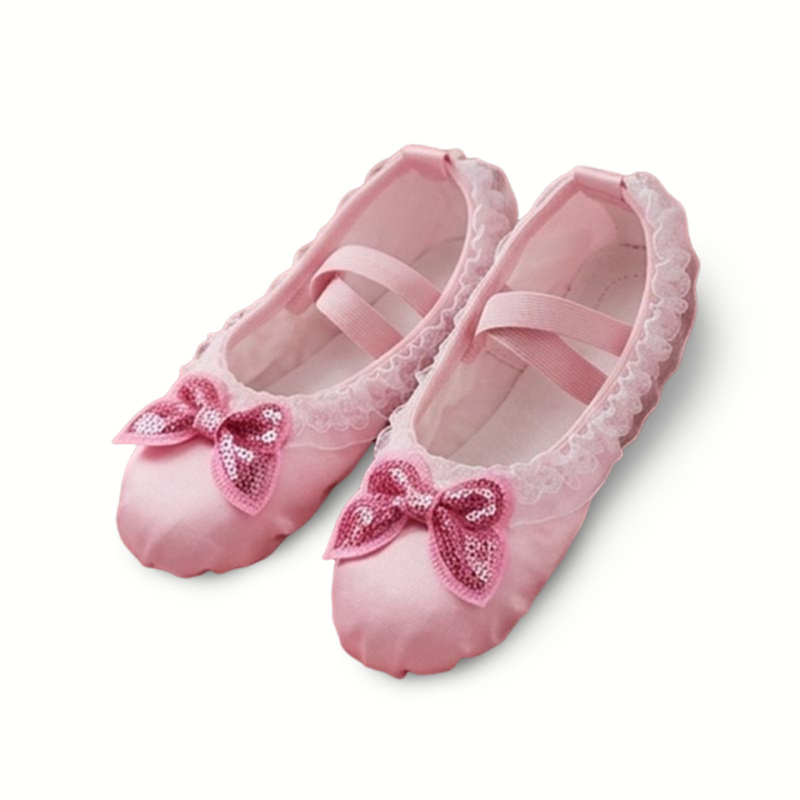
Review The bow, upper trim, elastic and soft-slipper sole
Review the actual model’s fit rather than selecting from the pink colour or the photograph. The foot should be assessed using the supplier’s chart and the relevant teacher or fitter. Confirm the upper composition where the catalogue uses a general material term. A satin-like appearance and the word ‘silk’ should be resolved into the actual supplied specification before creating a retail listing.
For a gift or recital bundle, separate the slipper from other items shown in the display. State whether ribbons, tights or a bag are included. Pack the shoes so the bows and trim are not crushed, then review one opened trial pack before approving the method. Keep a front and sole photograph of the reference pair for future order comparisons.
Retain version control for customer information
When the product changes, check whether its photographs, size chart, care information and contents list also need revision. Keep the active information with the approved product reference. A manufacturing correction can still create a customer problem if the listing describes an older version. Archive superseded material so the team can explain a previous order without accidentally reusing its information for current stock. For ballet slippers, make this part of the written review before accepting the order.
If delivered stock differs from the agreed reference, identify the affected model, size, colour and carton where possible. Preserve the original packaging and photographs, and describe the observed difference without speculating about its cause. Ask the supplier to investigate under the agreed order terms. Keep affected stock distinguishable from approved inventory until the issue is resolved and the record is updated. When comparing ballet slippers, connect this check to the chosen product reference.
Inspect ribbons and elastic arrangements
Confirm which ribbons or elastic components arrive attached and which require individual adjustment. Review their position on the actual sample and ask the relevant teacher or fitter to assess the arrangement for the wearer. Do not tighten attachments to disguise an unsuitable shoe shape. A change in elastic or ribbon may affect use even when the upper colour is unchanged, so keep those component references with the approved pair. This gives a buyer researching ballet slippers a specific question to resolve with the supplier.
Describe acceptance in terms the buyer and supplier can both check. State the reference, the measurement method and the required appearance or operation. Avoid vague instructions such as 'excellent quality' when the team needs to decide whether a particular join, opening or label is acceptable. If numerical tolerances are required, agree them for the actual product and process instead of inventing a universal value in a blog guide. Keep this decision visible in the ballet slippers enquiry so the final offer answers the same brief.
Keep the physical reference identifiable
Label the retained sample with its model, revision and approval date, then store the associated photographs and measurements together. The reference should be easy to retrieve when a question arises during production or receiving. A folder of unnamed images does not establish which sample was accepted. Keep the sample's condition in mind and avoid using a heavily handled display unit as the only reference for finish. For ballet slippers, make this part of the written review before accepting the order.
Ask the supplier to show the sole, opening and upper from several useful views. Record the actual construction rather than inferring it from a broad name such as ballet shoe or canvas slipper. If a sole section, adhesive or upper material changes, assess the complete footwear again for its intended use. Do not make traction, support or durability claims from a photograph of the sole alone. When comparing ballet slippers, connect this check to the chosen product reference.
Distinguish soft slippers from pointe footwear
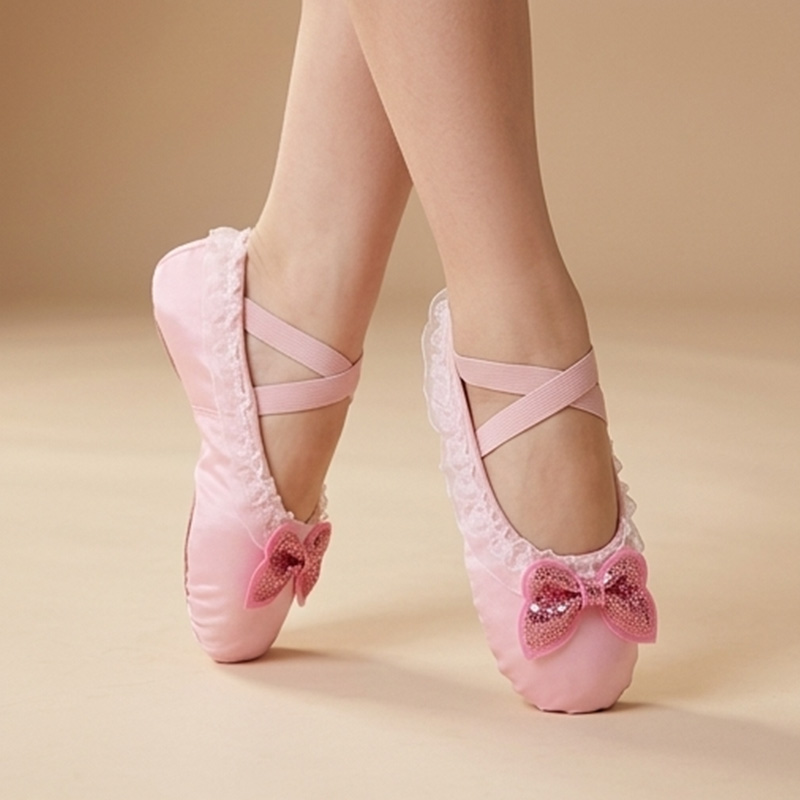
Soft slippers, pointe shoes and warm-up boots serve different purposes and need clear product naming. A smooth pale upper or a ribbon detail does not establish pointe construction. Retailers should make the selected footwear type visible before the customer chooses a size. Schools should state the required type for the actual class. Decorative or catalogue language should not override the teacher's instruction or an individual professional fitting decision. This gives a buyer researching ballet slippers a specific question to resolve with the supplier.
A shoe contains more than its visible upper fabric. Soles, adhesives, elastic and decorative parts may affect what care is appropriate. Use the instructions supported for the chosen model rather than applying a generic washing method for canvas or satin textiles. Ask the supplier to clarify any ambiguous care statement before printing it on the pack or product page, and keep revised instructions tied to a revised construction. Keep this decision visible in the ballet slippers enquiry so the final offer answers the same brief.
Compara la evidencia antes de la aprobación
| decisión | Evidencia útil | Evita este atajo |
|---|---|---|
| Dress rules | Teacher approves decorative detail | Choosing footwear by bow styling alone |
| Trim | Attachment and inside contact reviewed | Inspecting decoration only from outside |
| Pack | Bows protected in opened trial pack | Approving packing before seeing its effect |
| Repeat Order Records | a repeat-order file showing what stays fixed and which changes require review | an unchanged style name hides a change in fabric, dimensions or components |
Un ejemplo de planificación trabajado
Consider an illustrative ballet slippers enquiry for 56 units in 4 variants. The buyer wants to keep a later order tied to the approved product reference and therefore requests a record of model-specific foot length and width with decoration placement on the finished shoe, plus a view of the bow, upper trim, elastic and soft-slipper sole. The required result is a repeat-order file showing what stays fixed and which changes require review. If an unchanged style name hides a change in fabric, dimensions or components, that specific difference needs resolution before the affected approval. These figures are a planning example, not a customer case, quotation or minimum-order statement.
Use las referencias de categorías con cuidado
Para terminología general del calzado, véase Descripción general de las zapatillas de ballet de Wikipedia. Use the selected sample and product-specific evidence for the actual ballet slippers decision. The reference explains category terminology and does not certify Jinwu’s products.
Preparar una consulta enfocada
Send Jinwu the Bowknot Ballet Slippers reference, your destination and planned variant mix, with the request to keep a later order tied to the approved product reference. Discuss custom options through its Servicios OEM/ODM investigaciones operacionales contactar al equipo. Ask for current material options, quantities and timing for the actual ballet slippers brief.
Questions About Ballet Slippers
What should I confirm when researching ballet slippers?
Start with the bow, upper trim, elastic and soft-slipper sole in the Bowknot Ballet Slippers sample. The purchase question here is how to keep a later order tied to the approved product reference.
¿Qué medidas debe registrar el comprador?
Record model-specific foot length and width with decoration placement on the finished shoe. Use the measurement method and current chart for the actual supplied model.
What record helps with repeat order records?
Prepare a repeat-order file showing what stays fixed and which changes require review and identify the exact approved sample revision.
¿Qué atajo debo evitar?
For this enquiry, avoid the situation where an unchanged style name hides a change in fabric, dimensions or components. Resolve the specific difference before approval.
How should I enquire about ballet slippers?
Send Jinwu the selected product reference, destination, quantity and variant mix. Ask how to keep a later order tied to the approved product reference for that scope.