
كيفية غسل الثياب الشبكية دون معالجة كل قماش بنفس الطريقة
To wash a mesh leotard, follow the care instructions for the complete garment, including its lining, print, trim and closures. If the label permits hand washing, handle the garment gently without rubbing or wringing the mesh. Use a washing machine only when the garment’s instructions allow it, and check the drying instructions separately.
Mesh describes an open fabric structure, not one fiber or one care method. That distinction is particularly important for a school or retailer selecting garments that customers will wash repeatedly. A clear care routine should be part of the product decision before the first order arrives.
Identify what is joined to the mesh
Read the sewn-in label and any product-specific instructions supplied with the garment. Look at the main fabric, mesh panels, lining, decorative surfaces and fastenings. An instruction for plain polyester fabric is not automatically an instruction for a finished leotard containing several materials.
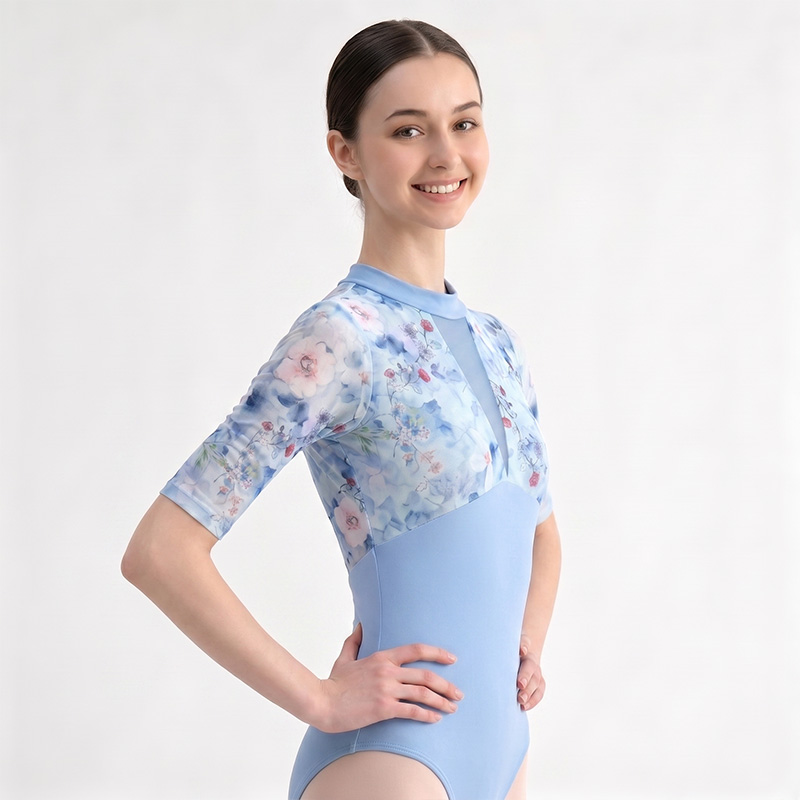
Jinwu رقبة عالية الباليه يوتار is a useful example. Its product specification lists a 75% nylon and 25% spandex body and 100% polyester mesh. Those separate entries tell the buyer what to ask about; they do not establish a wash temperature, machine cycle or drying permission for the finished style.
If the label is missing or the supplier’s instructions conflict, ask for clarification for that exact style before washing it. Send a photograph of the label and the garment reference. Do not resolve the conflict by borrowing the instructions from another leotard that looks similar.
The same applies to a skirt attached to the leotard. Its care needs belong in the complete-garment instruction. A detachable skirt can have separate guidance, but first confirm that it is actually intended to be removed.
Check the leotard before it reaches the water
Look for existing snags, loose stitching, lifted decoration and damage around closures. A quick photograph of anything unusual helps distinguish a problem present before washing from a change noticed afterward. Do not pull a loose thread to see whether it comes free.
Separate removable accessories and check that no hairpins or other small items remain caught in the garment. Follow the garment instructions for closures and turning it inside out. Open mesh needs particular attention wherever it may meet a fastening or decorative edge.
لامه إرشادات الغسيل في معهد التنظيف الأمريكي recommends sorting by color, fabric type and care requirements. For a mesh leotard, being the same color as another item is not enough reason to wash them together. Their required process must also be compatible.
If there is a stain, identify it before choosing a treatment. Use only an approach compatible with the garment and the cleaning product’s directions. A visible mesh panel is not a suitable place to experiment with a stronger remover. For unfamiliar decoration or an uncertain stain, ask the supplier how to proceed.
How to wash mesh leotards by hand when permitted
Use the temperature and detergent specified for the garment. Prepare a clean basin and dissolve the appropriate detergent dose in water before adding the leotard. Support the whole garment, move it gently through the solution and avoid scrubbing, twisting or pulling the mesh. Rinse thoroughly, then press excess water out carefully rather than wringing.
That gentle handling follows the principles in GINETEX Switzerland’s hand-washing guidance. The garment’s own instructions still determine whether this process is permitted. Do not interpret a generic hand-wash description as a new temperature recommendation for every Jinwu style.
Pay attention to which part of the garment you hold when lifting it. Support the body rather than suspending its full wet weight from a small mesh section or decorative strap. Set up the drying area before starting so the garment does not need to remain wet while you find somewhere to put it.
Do not add a long soak simply because it feels more thorough. If the approved process is unclear about timing or a stain remains, ask for guidance rather than extending the treatment or increasing the detergent concentration on your own.
A laundry bag does not create machine-wash permission
Machine wash only if the care label or confirmed style-specific instructions allow it. Select the permitted cycle, temperature and spin conditions. A machine program named “hand wash” is not, by its name alone, permission to machine wash a garment labeled for washing by hand.
If the approved routine calls for a protective laundry bag, inspect the bag as well as the leotard. Check for rough edges or a damaged closure. The bag is an additional handling measure; it does not change the garment’s care restrictions or prove that embellishments will withstand the cycle.
A school considering a machine-washable uniform should establish that requirement during sampling. Ask whether the supplier’s instruction covers the exact mesh, lining, print and trim in the proposed order. Approval for an undecorated sample should not silently carry over to a later decorated version.
Keep the approved wash settings with the sample record. Descriptions such as “gentle wash” can mean different things to different people. Use the actual instructions and record the equipment settings used in the evaluation, rather than relying on a shared understanding of the word gentle.
Decide how to dry the leotard separately
Permission to wash does not establish permission to tumble dry. GINETEX identifies drying separately from washing and distinguishes line drying, flat drying and tumble-drying instructions. Read that part of the label before deciding how to remove the remaining moisture.
Use the drying position specified for the garment. If flat drying is required, arrange the leotard without stretching the sleeves or pulling the neckline into a different shape. If a different method is specified, follow it rather than substituting a familiar routine from another style.
Do not use an iron, steamer, radiator or hair dryer as an improvised shortcut without specific permission for that treatment. Decorative areas may need different handling from the plain body fabric. A need to have the garment ready for class does not change those limits.
Plan enough time between wearing and the next use for the approved care process. For a busy school schedule, consider whether students have a practical way to wash and dry the uniform as instructed. Care requirements are part of the garment’s suitability for the program, not merely a note to add after purchasing.
Inspect the garment once it is fully dry
Compare the mesh, seams and overall shape with the pre-wash condition. Look at the neckline, sleeve joins and any point where an open panel meets the denser body fabric. Check whether decoration has changed and whether closures still work as intended.
Assess fit only when the garment is ready to wear. Do not stretch a damp leotard onto the dancer to decide whether it has changed size. For a buyer’s evaluation, use the same measurement method and comparable photographs before and after care.
| ما تلاحظه | ما لتسجيل | Useful next step |
|---|---|---|
| A new snag in a mesh panel | Its position and any possible contact with closures or other items | Compare with the pre-wash photograph before assigning a cause |
| Puckering where mesh joins the body | Which seam changed and the wash and drying process used | Send the dry garment comparison to the supplier |
| A transferred color mark | Other items in the wash and the colors adjacent to the mark | Pause further stain treatment until compatibility is confirmed |
| Lifted or altered decoration | The affected finish and whether it was included in the approved sample | Request guidance for that decorated version |
| A noticeable fit change | Measurements at the same points before and after care | Review the garment and process together, not just the size label |
These observations identify what needs investigating. They do not, on their own, prove that the wearer used the wrong method or that manufacturing caused the problem. Preserve the care details and photographs so both sides can review the same evidence.
Evaluate the care routine before approving a group order
Ask for a sample that includes the final materials and decoration. Keep its style, color and size reference with the proposed ballet leotard care instructions. An attractive sample without a confirmed care method leaves a question that customers will eventually need answered.
Agree with the supplier how care will be evaluated and what changes would be unacceptable. Record the process and inspect the fully dry sample afterward. If repeated washing matters to the intended use, agree on the evaluation sequence rather than inventing a universal number of cycles for all leotards.
ايزو 6330: 2021 describes domestic washing and drying procedures for textile testing. Referring to the standard is not the same as having a test result. A buyer should ask which procedure was used, which sample was tested and what the report actually demonstrates.
Keep this review distinct from initial fit approval. A leotard can fit well before washing while leaving care questions unresolved. The mesh leotard selection guide covers the initial material, fit and coverage decisions that should accompany the care review.
Give customers instructions they can use at home
Keep the product page, garment label and any supplied care card consistent. Customers should not have to choose between “machine washable” online and a different instruction sewn into the garment. Resolve that discrepancy before distributing the order.
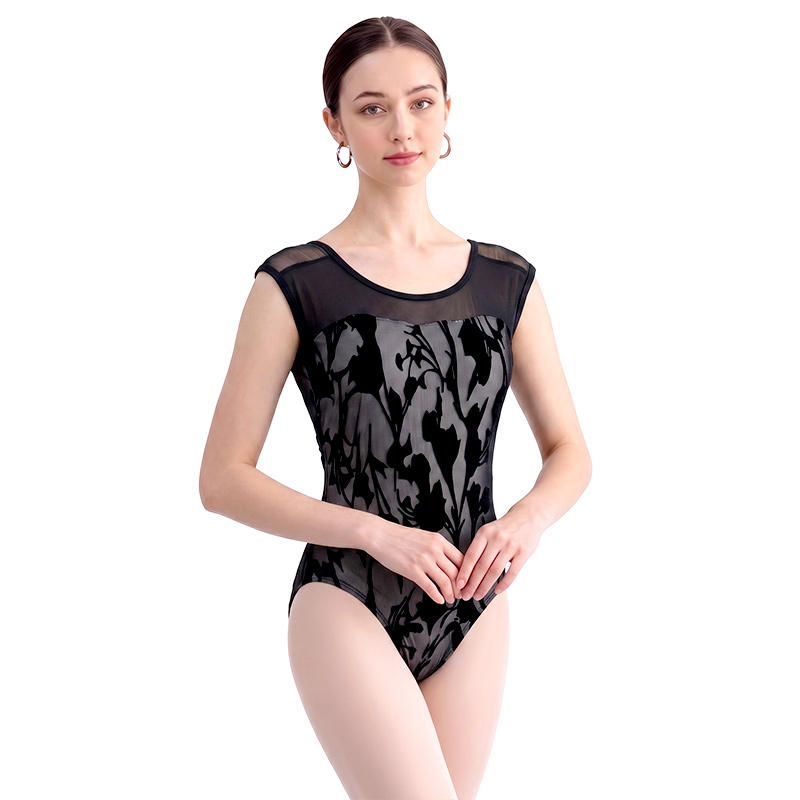
A useful care explanation states the approved wash method and drying method, plus any style-specific restrictions. It should be easy to connect the guidance to the garment the customer owns. Avoid one generic instruction for a collection that mixes plain stretch fabrics, mesh, flocked finishes and other decoration.
For a Jinwu sample request, identify the selected mesh style and ask for its confirmed finished-garment care instructions. Send the product reference and intended school or retail use so the care discussion concerns the actual garment you plan to order.
ختام
Good mesh-leotard care starts with the whole garment and a confirmed process. Handle permitted washing gently, check drying separately and inspect the dry result. For a school or retailer, verifying that routine during sampling is more useful than promising that every mesh style can be cared for the same way.
أسئلة وأجوبة
Does 100% polyester mesh mean the whole leotard is machine washable?
No. That fiber entry describes one component. The body, lining, finishes and construction must also be covered by the finished garment’s care instructions.
Can I use the instructions from a plain leotard on a mesh version?
Only if the supplier confirms that they apply to the mesh version. A similar shape or shared body fabric does not establish identical care requirements.
What should I do if the care label is missing?
Contact the supplier with the style reference and photographs before cleaning. Ask for the complete instructions, including drying and any restrictions on decoration.
Should I cut off a pulled thread after washing?
Do not cut or pull it before the construction has been assessed. Photograph the affected area and ask the supplier or a suitable repair professional whether it can be corrected.
Does one successful sample wash establish long-term durability?
No. It records the result of that sample and process. Any broader durability statement needs evidence appropriate to the actual garment and intended repeated care.